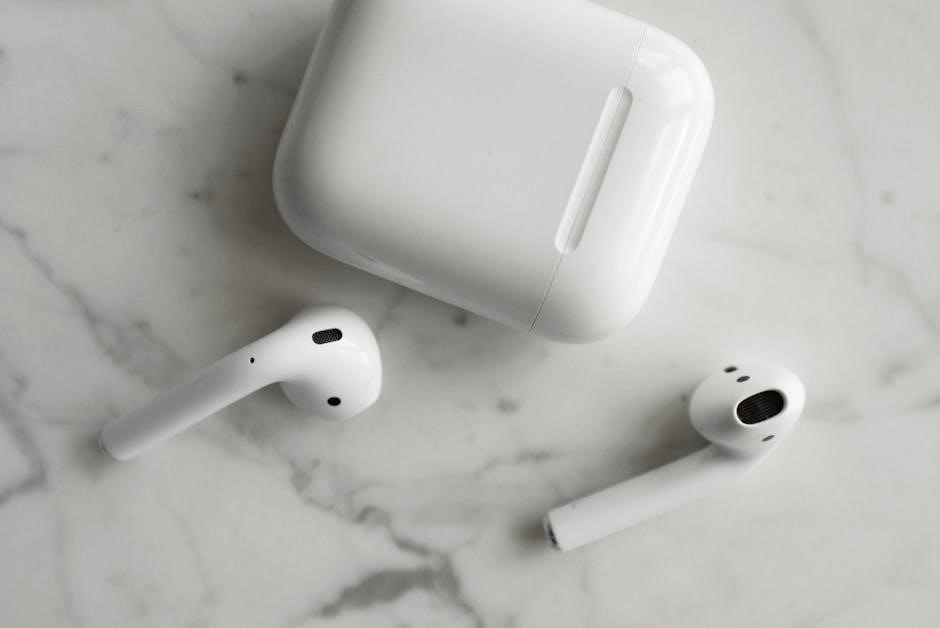
Navigating the world of True Wireless Stereo (TWS) earbuds requires understanding their features․ PDF manuals offer crucial guidance, covering pairing, controls, and troubleshooting—essential for optimal use․
What are TWS Earbuds?
TWS, or True Wireless Stereo, earbuds represent a revolutionary leap in personal audio technology․ Unlike traditional wireless headphones with connecting cables, TWS earbuds completely eliminate wires, offering unparalleled freedom of movement․ Each earbud functions as an independent audio device, connecting directly to your smartphone or other Bluetooth-enabled source․
These compact devices deliver high-fidelity sound in a remarkably small package․ They typically come with a charging case that provides both storage and portable power․ Understanding the core functionality of TWS earbuds – pairing, charging, and controls – is vital for a seamless listening experience; A comprehensive manual, often available as a PDF, is your key to unlocking their full potential․
Why You Need a Manual
While TWS earbuds are designed for simplicity, a manual is indispensable for maximizing their functionality․ These guides detail the specific pairing process, which can vary between models – often involving powering on the right earbud before the left, and recognizing specific LED flash patterns․
Manuals clarify charging procedures, including interpreting charging case indicators and estimated full charge times․ They also explain the often-nuanced control schemes for volume, playback, and call management․ Troubleshooting sections address common issues like pairing failures or sound quality problems, saving you frustration․ A PDF manual ensures you have readily accessible support, enhancing your overall user experience․
Finding the PDF Manual Online
Locating your TWS earbud’s PDF manual typically begins with the manufacturer’s official website․ Search using the exact model number – for example, “Avantree TWS110 manual PDF” or “i7s TWS earphones user guide․” Many manufacturers provide downloadable manuals directly on their support pages․
If the official site is unhelpful, broaden your search to include general online resources․ Websites specializing in user manuals often host PDF versions․ Be cautious of third-party sites; prioritize those with a reputable history․ YouTube can also be a resource, with many video guides supplementing written manuals, demonstrating pairing and usage․

Understanding Common TWS Earbud Features
TWS earbuds boast Bluetooth connectivity, intuitive touch controls, and portable charging cases․ Manuals detail these functions, ensuring users maximize their wireless audio experience․
Bluetooth Pairing Process
Establishing a Bluetooth connection is fundamental to TWS earbud operation․ Typically, the process begins by powering on the right earbud first, followed by the left․ These units will automatically connect to each other before seeking a pairing partner․
Look for a visual cue – the right earbud’s LED will often flash alternating white and red lights, signaling it’s in pairing mode․ Simultaneously, activate Bluetooth on your smartphone or device․ Initiate a search for available devices, and the TWS earbuds (like Avantree TWS110) should appear in the list․ Select the earbud model to complete the pairing process, granting seamless wireless audio transmission․
Initial Power-On Sequence (Right then Left Earbud)
A consistent power-on sequence is vital for proper TWS earbud functionality․ Most models, including the Avantree TWS110, recommend powering on the right earbud before the left․ This deliberate order facilitates automatic connection between the two earbuds, establishing a stable stereo link․
Following this sequence ensures the earbuds synchronize correctly, preventing pairing issues․ The right earbud typically initiates pairing mode shortly after powering on, indicated by a flashing LED․ Deviating from this right-then-left order might require manual re-pairing or reset procedures, as detailed in the user manual’s troubleshooting section․
Identifying Pairing Mode (Flashing White and Red LED)
Recognizing pairing mode is crucial for successful Bluetooth connection․ Most TWS earbuds, like the Avantree TWS110, signal pairing readiness with a distinct LED indicator․ Typically, this manifests as a rapidly alternating flash of white and red lights․ This visual cue confirms the earbud is broadcasting its Bluetooth signal and discoverable by your device․
Consult your specific model’s manual, as LED patterns can vary․ A solid color or different flashing sequence may indicate other states, such as charging or a successful connection․ If the LED doesn’t exhibit the expected pattern, a reset might be necessary, as outlined in the PDF manual․
Charging the Earbuds
Proper charging is vital for maintaining TWS earbud performance․ The charging case serves as both storage and a power bank․ Most manuals detail indicator lights on the case, signaling charging status – often solid or flashing lights representing charging or full capacity․ Refer to your PDF manual for specific color codes․
Full charge times vary by model, but generally range from 1․5 to 2 hours․ Avoid overcharging, as it can degrade battery life․ The manual will specify if the case supports fast charging․ Always use the provided charging cable for optimal results and safety, as detailed within the user guide․
Charging Case Indicators
TWS earbud charging cases utilize LED indicators to communicate power and charging status․ A manual’s PDF will explain these signals; typically, a solid light indicates a full charge, while flashing lights signify charging in progress․ Different colors often represent varying battery levels – green for full, yellow for medium, and red for low․
Some cases display individual earbud charging status, showing which bud is fully charged․ The manual clarifies if a light indicates the case itself is charging via USB․ Understanding these indicators, as detailed in the PDF, prevents unexpected power loss and ensures optimal earbud readiness․
Full Charge Time
The TWS earbud charging case’s full recharge time is a critical detail found within the PDF manual․ Typically, a full charge of the case via USB-C or Micro-USB takes between 1․5 to 3 hours, though this varies significantly by model and charging adapter used․
The manual will specify the time required to fully charge the earbuds within the case, usually around 1 to 2 hours․ It’s important to note that fast-charging capabilities, if available, will reduce this time․ Referencing the PDF ensures accurate expectations and prevents overcharging, maximizing battery lifespan․
Basic Controls & Functions
The TWS earbud PDF manual meticulously details the control scheme, vital for seamless operation․ Most models utilize touch controls – single, double, and triple taps – on each earbud to manage playback, volume, and calls․
Understanding these gestures is key; the manual illustrates each function clearly․ Common controls include play/pause, track skipping, volume adjustment, and answering/rejecting incoming calls․ Some earbuds also support voice assistant activation via a dedicated touch command․ The PDF provides a comprehensive guide to mastering these functions for an enhanced listening experience․
Volume Control
The TWS earbud PDF manual explains volume adjustment methods, typically achieved through touch controls․ Double-tapping or swiping on either the left or right earbud usually controls the volume․ The manual precisely details which earbud increases or decreases the sound level․
Some models offer more nuanced control, like continuous swiping for gradual adjustments․ The PDF often includes diagrams illustrating the correct touch gestures․ It’s crucial to consult the manual for your specific model, as control schemes vary․ Mastering volume control enhances your listening experience, allowing for personalized sound levels;

Play/Pause & Track Skipping
Your TWS earbud’s PDF manual details how to manage music playback․ Typically, a single press on either earbud pauses or plays the current track․ Track skipping – moving to the next or previous song – is often controlled by double or triple taps․
The manual will specify which earbud controls forward or backward skipping․ Diagrams clearly illustrate the necessary tap sequences․ Some models support voice assistant activation through prolonged presses․ Understanding these controls, as outlined in the PDF, provides seamless music navigation without needing your connected device․
Answering/Rejecting Calls
The TWS earbud PDF manual is vital for understanding call management․ Usually, a single tap answers an incoming call, while a double tap rejects it․ However, specific controls vary significantly between models, so consulting your manual is crucial․
Some earbuds feature voice assistant integration for hands-free call answering․ The manual will detail how to activate this feature․ It also explains how to switch between calls or utilize call volume controls․ Properly understanding these functions, as detailed in the PDF, ensures clear communication and convenient call handling while on the go․
Troubleshooting Common Issues
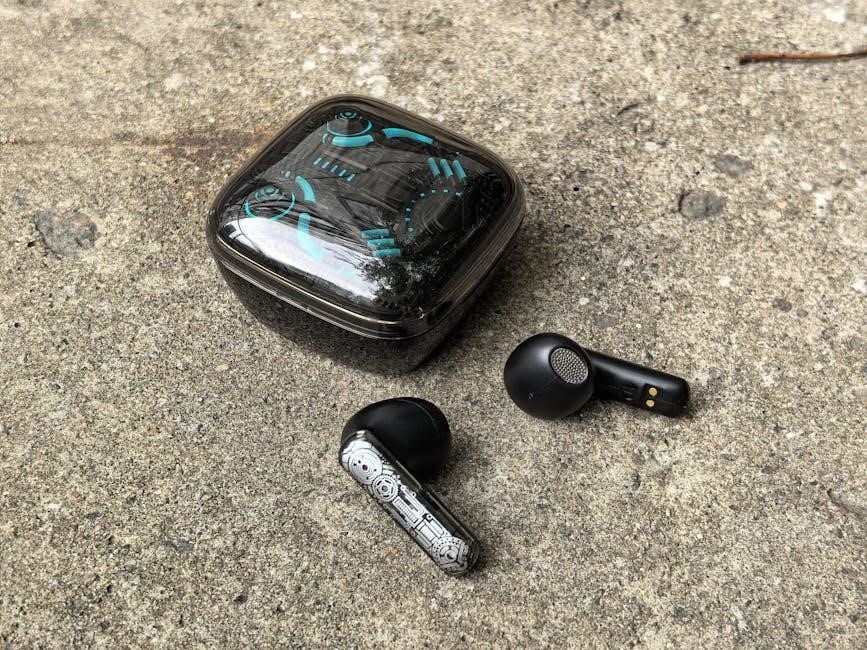
PDF manuals are invaluable when facing TWS earbud problems․ They provide step-by-step solutions for pairing failures, sound issues, and single-earbud malfunctions—essential for quick fixes․
Earbuds Won’t Pair
Facing pairing difficulties with your TWS earbuds? The PDF manual is your first resource․ Typically, it advises powering on the right earbud first, followed by the left, allowing them to connect internally before initiating Bluetooth pairing on your device․
Look for instructions on identifying pairing mode – often indicated by a flashing white and red LED․ If pairing still fails, the manual details a reset procedure to clear previous connections․ It also addresses potential compatibility issues with certain Bluetooth devices, suggesting alternative pairing methods or firmware updates if available․ Consult the manual for specific model instructions, like the Avantree TWS110, for tailored guidance․
Resetting the Pairing Connection
When earbuds refuse to pair, a reset often resolves the issue․ Your TWS earbud’s PDF manual provides the specific reset procedure, which commonly involves placing the earbuds back into the charging case, holding a button for a set duration, or cycling the power on/off multiple times․
This clears the previously stored Bluetooth pairings, allowing a fresh connection attempt․ The manual will detail any LED indicator changes confirming a successful reset․ Remember to delete the earbuds from your device’s Bluetooth list before attempting to re-pair․ Refer to model-specific guides, like those for i7s TWS Earphones, as reset methods vary significantly between manufacturers․
Bluetooth Device Compatibility
TWS earbuds generally support devices with Bluetooth versions 4․2 and higher, ensuring stable connectivity․ However, older devices or those with unusual Bluetooth implementations might experience pairing difficulties․ Your earbud’s PDF manual often lists compatible operating systems (iOS, Android) and potential limitations․
Some devices may require software updates to maintain optimal Bluetooth performance․ If pairing fails, consult your device’s manual or manufacturer’s website for compatibility information․ Avantree TWS110 manuals, for example, may specify supported Bluetooth profiles․ Always prioritize using updated software for the best experience and fewest connection issues․
Sound Quality Problems
Poor audio from your TWS earbuds can stem from several sources․ Your PDF manual will guide you through initial checks: ensure the audio source (phone, laptop) volume is adequate and the correct audio output is selected․ Interference from other wireless devices can also degrade sound․
Consult the manual for specific troubleshooting steps․ It may suggest resetting the earbuds or re-pairing them․ Often, a simple cleaning of the earbud speaker grills can resolve muffled sound․ The manual might also detail supported audio codecs; incompatibility can affect quality․ Referencing the manual ensures you address potential issues systematically․
Checking Audio Source
Your TWS earbud’s PDF manual emphasizes verifying the audio source first when experiencing sound issues․ Ensure the volume on your paired device (smartphone, tablet, computer) is turned up sufficiently․ Confirm the correct audio output device is selected within your device’s settings – sometimes it defaults to internal speakers․
The manual may detail specific audio codec support; mismatched codecs can lead to diminished sound quality․ Test with different audio tracks or apps to isolate whether the problem lies with the earbuds or the source material․ A faulty audio file or app can mimic earbud malfunctions․
Cleaning the Earbuds
Your TWS earbud’s PDF manual likely stresses regular cleaning for optimal performance and hygiene․ Use a soft, dry, lint-free cloth to gently wipe the earbuds’ exterior․ Avoid using liquids, solvents, or abrasive cleaners, as these can damage internal components․ For stubborn earwax buildup, slightly dampen the cloth with isopropyl alcohol, ensuring no liquid enters the earbud openings․
The manual may recommend cleaning the charging contacts within the case periodically․ A dry cotton swab is ideal for this task․ Proper cleaning maintains sound quality and prevents charging issues․ Always power off the earbuds before cleaning and ensure they are completely dry before use․
One Earbud Not Working
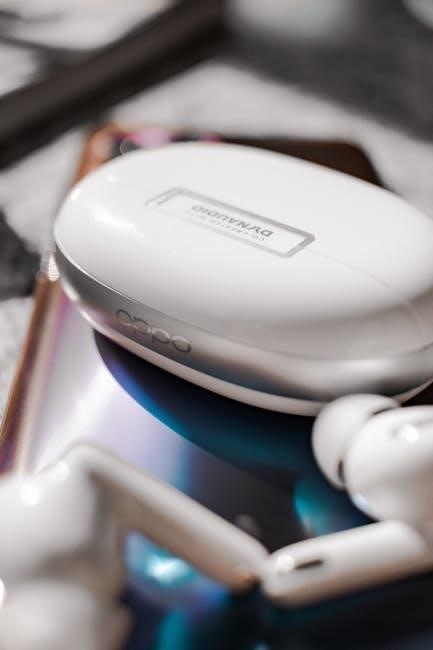
Your TWS earbud’s PDF manual will detail troubleshooting steps if one earbud fails to function․ First, attempt re-pairing both earbuds to your device; the manual outlines the specific reset procedure, often involving holding buttons on each earbud․ Check individual battery levels – a depleted battery in one earbud is a common cause․
Ensure both earbuds are within Bluetooth range during pairing․ The manual may suggest forgetting the device in your Bluetooth settings and re-pairing․ If the issue persists, consult the manual’s section on factory resetting the earbuds, which restores them to their original settings․
Re-pairing Individual Earbuds
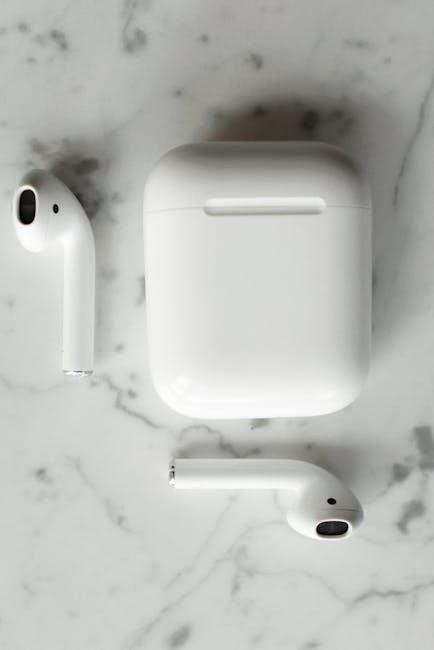
Your TWS earbud’s PDF manual provides specific instructions for re-pairing individual units․ Typically, this involves placing the non-functioning earbud back into the charging case, then initiating the pairing process again․ The manual will detail the button sequence – often a long press – to enter pairing mode, indicated by a flashing LED (usually white and red)․
Ensure the primary earbud remains connected while re-pairing the secondary one․ The manual may advise deleting the earbuds from your device’s Bluetooth list before attempting re-pairing․ Refer to the manual’s diagrams for precise button locations and LED indicators to confirm successful pairing․
Checking Battery Levels
Your TWS earbud’s PDF manual explains how to determine battery status for both the earbuds themselves and the charging case․ Many models display battery levels on your connected device’s Bluetooth menu․ Some cases feature LED indicators: solid lights often signify full charge, while flashing lights indicate charging or low battery․
The manual will detail the color coding for these indicators․ Low battery can cause one earbud to stop working․ Always consult the manual for specific charging times and recommendations․ Regularly checking battery levels prevents unexpected interruptions and ensures consistent performance․
Advanced Features & Settings (If Applicable)
PDF manuals detail advanced options like equalizer settings, voice assistant integration, and firmware updates—enhancing your TWS earbud experience significantly․
Equalizer Settings
Many TWS earbud manuals, particularly those for higher-end models, will detail equalizer (EQ) settings․ These settings allow users to customize the audio output to their personal preferences․ The PDF guide often explains how to access these settings, typically through a companion mobile app associated with the earbuds․
Users can often choose from pre-set EQ profiles – such as “Bass Boost,” “Treble Boost,” or “Vocal Clarity” – or create custom profiles by adjusting specific frequency bands․ The manual will illustrate how these adjustments impact the sound, offering guidance for achieving a balanced or tailored listening experience․ Some manuals may even provide recommended EQ settings for different music genres․ Understanding these settings is key to maximizing audio quality․
Voice Assistant Integration
The PDF manual frequently dedicates a section to voice assistant integration, detailing compatibility with popular platforms like Siri, Google Assistant, and Alexa․ It explains how to activate the voice assistant using the earbuds’ touch controls – typically a long press or double tap․
Instructions cover the initial setup process within the companion app, ensuring seamless connectivity․ The manual clarifies which commands are supported, such as making calls, playing music, or setting reminders․ Troubleshooting tips are often included, addressing common issues like voice assistant not responding or incorrect recognition․ Proper configuration, as outlined in the manual, unlocks hands-free convenience․
Firmware Updates
Your TWS earbuds’ PDF manual will explain the importance of firmware updates, detailing how they improve performance, fix bugs, and add new features․ It guides users through the update process, usually involving a companion mobile app and a stable Bluetooth connection․
The manual stresses the need to avoid interrupting the update, as this could potentially damage the earbuds․ It often includes troubleshooting steps for failed updates, such as restarting the earbuds or re-installing the app․ Regularly checking for updates, as described in the manual, ensures optimal functionality and longevity of your wireless audio experience․
Safety Precautions & Warranty Information
PDF manuals detail safe listening volumes to protect hearing health, proper care for water resistance, and comprehensive warranty details for your TWS earbuds․
Listening Volume & Hearing Health
TWS earbuds’ PDF manuals consistently emphasize the importance of maintaining safe listening volumes to prevent potential hearing damage․ Prolonged exposure to high decibel levels can lead to noise-induced hearing loss, a preventable condition․ Manuals typically recommend starting with a low volume and gradually increasing it only as needed, avoiding levels that mask surrounding sounds․
They often include guidelines regarding the “60/60 rule” – listening at 60% volume for no more than 60 minutes at a time․ Furthermore, manuals advise users to take regular breaks from listening and to be mindful of their environment, especially when using earbuds in noisy surroundings where they might instinctively increase the volume․ Prioritizing hearing health ensures long-term enjoyment of your TWS earbuds․
Water Resistance & Care
TWS earbud PDF manuals detail the extent of water resistance, if any, offered by the specific model․ Many earbuds boast an IPX rating (e․g․, IPX4, IPX7) indicating protection against splashes, sweat, or even brief immersion․ However, manuals strongly caution against complete submersion unless explicitly stated․
Cleaning instructions are also prominent, advising users to gently wipe the earbuds with a soft, dry cloth to remove earwax and debris․ Avoid using harsh chemicals or solvents․ The charging case should also be kept clean and dry․ Proper care extends the lifespan of your earbuds and maintains optimal performance, safeguarding against corrosion and functional issues․
Warranty Details & Registration
TWS earbud PDF manuals comprehensively outline the manufacturer’s warranty terms, including the duration of coverage – typically ranging from one to two years․ They specify what defects are covered, such as manufacturing faults, and what is excluded, like damage from misuse or accidents․
Crucially, manuals detail the warranty registration process, often requiring online submission of proof of purchase and product information․ Retaining the original receipt is vital․ Understanding the warranty conditions empowers users to claim repairs or replacements if needed, ensuring peace of mind and protecting their investment in the earbuds․
Specific Model Examples (Based on Available Data)
Avantree TWS110, i7s, and F9 earbuds all have readily available PDF manuals detailing pairing, functions, and troubleshooting steps for users․
Avantree TWS110 Manual Details
The Avantree TWS110 manual provides a clear, step-by-step guide to unlocking the full potential of these earbuds․ Initial setup involves powering on the right earbud first, followed by the left, allowing them to automatically connect to each other․ Within 5-10 seconds, the right earbud enters pairing mode, indicated by a flashing white and red LED․
The manual emphasizes activating Bluetooth on your device and then searching for and selecting “Avantree TWS110” to establish a connection․ It also details troubleshooting steps if pairing fails, ensuring a smooth user experience․ Beyond pairing, the PDF covers basic controls, charging procedures, and potential issues, making it an invaluable resource for new and existing users alike․
i7s TWS Earphones User Guide
The i7s TWS Earphones user guide, typically available as a PDF, focuses on simplifying the pairing process for these popular wireless earbuds․ While specific details vary depending on the source, the core instructions revolve around ensuring both earbuds are adequately charged before initiating pairing․ The guide usually illustrates how to activate Bluetooth on your smartphone or device․
It then directs users to search for the “i7s” device within the Bluetooth settings․ The manual often includes visual aids demonstrating the LED indicator behavior during pairing․ Troubleshooting sections address common issues like connection failures and offer solutions, ensuring a user-friendly experience despite limited official documentation․
F9 Earbuds Manual ― Pairing & Usage
The F9 Earbuds manual, often found as a PDF download, emphasizes a straightforward Bluetooth pairing procedure․ It details powering on the right earbud first, followed by the left, allowing them to automatically connect to each other․ The guide highlights the alternating flashing white and red LED as an indicator of pairing mode readiness․
Users are then instructed to activate Bluetooth on their device and select “F9” from the available device list․ The manual typically covers basic functions like play/pause, volume control, and call answering․ Troubleshooting sections address potential pairing issues and offer guidance for optimal usage, ensuring a seamless wireless audio experience․