Vehicle Overview
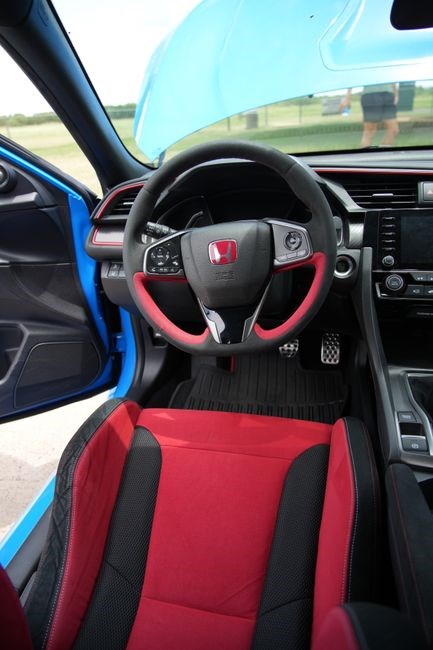
The 2021 Honda Pilot blends family‑friendly space with advanced tech. Its 3‑row layout seats up to 8, offers a 3.5L V6, and features Honda Sensing® and Bluetooth® HandsFreeLink® for connectivity. A versatile SUV for everyday adventures. Its infotainment and third‑row make it a choice family daily trips.
2021 Honda Pilot Specifications
Specifications for the 2021 Honda Pilot are summarized below. The vehicle is offered in several trim levels—LX, EX, EX‑L, and Touring—each adding features such as leather upholstery, power‑lift rear seats, and a larger infotainment screen. The base engine is a 3.5‑liter V6 that delivers 280 horsepower and 262 lb‑ft of torque, paired with a 9‑speed automatic transmission. This powertrain is mated to a front‑wheel‑drive layout in the LX, while the higher trims provide all‑wheel‑drive as standard. The Pilot’s wheelbase measures 112.2 inches, giving it a generous interior length of 190.4 inches and a width of 78.7 inches. The curb weight ranges from 4,400 to 4,700 pounds depending on options. The vehicle’s EPA fuel economy is rated at 20 mpg city/27 highway for the front‑wheel‑drive version and 19/26 for all‑wheel‑drive. The 2021 Pilot offers a maximum cargo capacity of 84.3 cubic feet with all seats folded, and 19.2 cubic feet with the third row up. Standard safety equipment includes a rear‑view camera, blind‑spot monitoring, and rear cross‑traffic alert. The vehicle’s electrical system runs on a 12‑volt battery, and the onboard computer supports over‑the‑air updates through the HondaLink platform. The 2021 Pilot’s dimensions and performance specifications make it a competitive choice in the midsize SUV segment, balancing power, space, and technology for family use.
The standard wheel size is 18 inches on the LX and EX, while the EX‑L and Touring trims feature 20‑inch alloy wheels. The suspension uses a MacPherson strut front and a multi‑link rear setup, tuned for a smooth ride. The steering is power‑assist with a 10.5‑turn ratio. The vehicle’s braking system includes ventilated discs front and rear, with ABS and electronic brake‑force distribution. The 2021 Pilot’s safety suite also offers adaptive cruise control, lane‑keeping assist, and forward‑collision warning as part of the Honda Sensing® package. The interior features tri‑zone climate control, a 7‑inch touchscreen, and a 12‑speaker audio system on higher trims. The cabin can accommodate up to 8 passengers, with the second row offering captain’s chairs or a bench seat. The third row is best suited for children or small adults. The Pilot’s fuel tank holds 20.5 gallons, and the vehicle’s ground clearance is 8.7 inches. The 2021 model also introduced a new “Smart Key” system with push‑button start and a “Power‑Lift” rear seat that folds flat with a single lever.
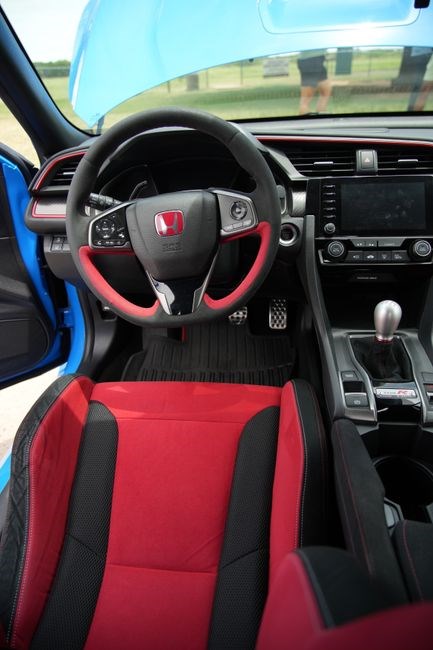
The 2021 Pilot’s exterior styling features a bold front fascia with a chrome grille, LED daytime running lights, and a roof rail for cargo. The side profile includes a 3‑row seating arrangement with a split‑second bench in the rear. The rear hatch offers a 4‑point release latch for easy access. The vehicle’s warranty includes a 3‑year/36,000‑mile powertrain warranty and a 5‑year/60,000‑mile bumper‑to‑bumper coverage. The Pilot also offers a 10‑year/100,000‑mile powertrain warranty in certain markets. The 2021 Pilot’s interior is finished with soft‑touch materials, a digital instrument cluster, and a multi‑function steering wheel. The infotainment system supports Apple CarPlay, Android Auto, and Bluetooth® HandsFreeLink®. The vehicle’s safety features are complemented by a rear‑view camera, parking sensors, and a 360‑degree view system on higher trims. It balances performance, space, tech.
Safety Features
The 2021 Honda Pilot equips drivers with Honda Sensing®—including adaptive cruise control, lane‑keeping assist, forward‑collision warning, and automatic emergency braking—plus a rear‑view camera, blind‑spot monitoring, and rear cross‑traffic alert for added safety; Designed to safeguard all
Honda Sensing® Advanced Driver Assistance
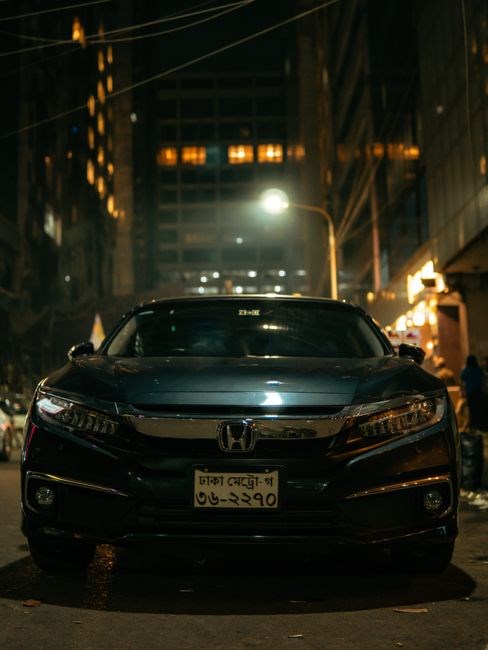
Honda Sensing® equips the 2021 Pilot with a suite of safety technologies that work together to reduce the risk of collision and improve driver confidence. The system includes Adaptive Cruise Control (ACC) that automatically maintains a preset following distance, Lane Keeping Assist (LKA) that gently steers the vehicle back into lane center, and Forward‑Collision Warning (FCW) that alerts the driver to imminent impact. If the driver does not react, Automatic Emergency Braking (AEB) engages to mitigate or avoid a crash. The system also offers Road‑Sign Recognition (RSR) to display speed‑limit signs on the instrument cluster, and a Driver Attention Monitor that warns when the driver’s eyes are not focused on the road. All of these features are integrated into a single, user‑friendly interface that provides clear visual and audible cues. The Pilot’s 360‑degree camera view and Blind‑Spot Information System (BSI) give the driver a comprehensive view of surrounding traffic, while the Rear‑Cross Traffic Alert (RCTA) warns of approaching vehicles when backing out of a parking space. Together, these technologies create a layered safety net that protects occupants and enhances the overall driving experience. Honda Sensing® is available on all trim levels and can be turned on or off via the vehicle’s infotainment system. The system’s performance has been validated through rigorous testing, ensuring that drivers receive reliable assistance in a variety of driving conditions. In addition, the Pilot’s Adaptive Cruise Control can be set to three speed ranges, allowing drivers to choose a comfortable pace for city or highway driving. All features work seamlessly together!!!?

Infotainment and Connectivity
The 2021 Pilot offers a 7‑inch touchscreen, Apple CarPlay, Android Auto, and Bluetooth® HandsFreeLink® for hands‑free calls. The system supports voice commands, navigation, and streaming, keeping drivers connected while keeping focus on the road. Stay safe.!!
Bluetooth® HandsFreeLink® & Smartphone Integration
The 2021 Honda Pilot’s Bluetooth® HandsFreeLink® system is a cornerstone of its connectivity suite, enabling drivers to make and receive calls, stream music, and access hands‑free voice commands without taking eyes off the road. Pairing is straightforward: press the “Phone” button on the steering‑wheel controls, select “Bluetooth” from the infotainment menu, and follow the on‑screen prompts to add a new device. Once paired, the system remembers the phone, allowing instant reconnection whenever the vehicle starts.
HandsFreeLink® supports full voice‑control of the phone’s native functions. Say “Hey Honda, call Mom” or “Hey Honda, play my workout playlist” and the Pilot will execute the request while the driver remains focused on driving. The system also transmits incoming call notifications to the display, so the driver can see caller ID and choose to answer or decline with a single button press.
Beyond calls, the Pilot’s Bluetooth connectivity extends to media streaming. Users can stream music, podcasts, or audiobooks from a smartphone’s native media apps. The audio is routed through the vehicle’s premium sound system, providing clear, high‑fidelity playback. Adjusting volume or skipping tracks is achieved via steering‑wheel controls or voice commands.
Smartphone integration is further enhanced by Apple CarPlay® and Android Auto® support. When a compatible device is connected via USB, the infotainment screen mirrors the phone’s interface, granting access to maps, messaging, and music apps. The integration is seamless: the driver can launch navigation to a destination, send a text, or play a song using the vehicle’s controls or voice commands.
For added convenience, the Pilot offers a wireless Bluetooth pairing option for newer smartphones that support Bluetooth Low Energy (BLE). This eliminates the need for a USB cable, allowing the driver to connect and disconnect devices quickly. The system also maintains a device list, so multiple users can switch between phones without re‑pairing.
Overall, the Bluetooth® HandsFreeLink® and smartphone integration in the 2021 Pilot combine safety, convenience, and entertainment, ensuring drivers stay connected while keeping their focus on the road ahead.
Powertrain and Performance
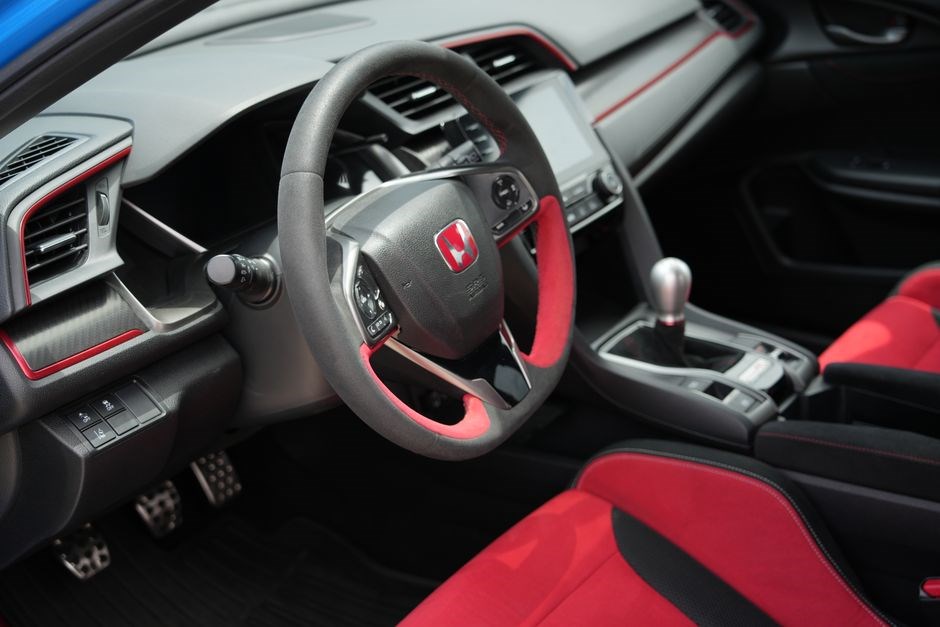
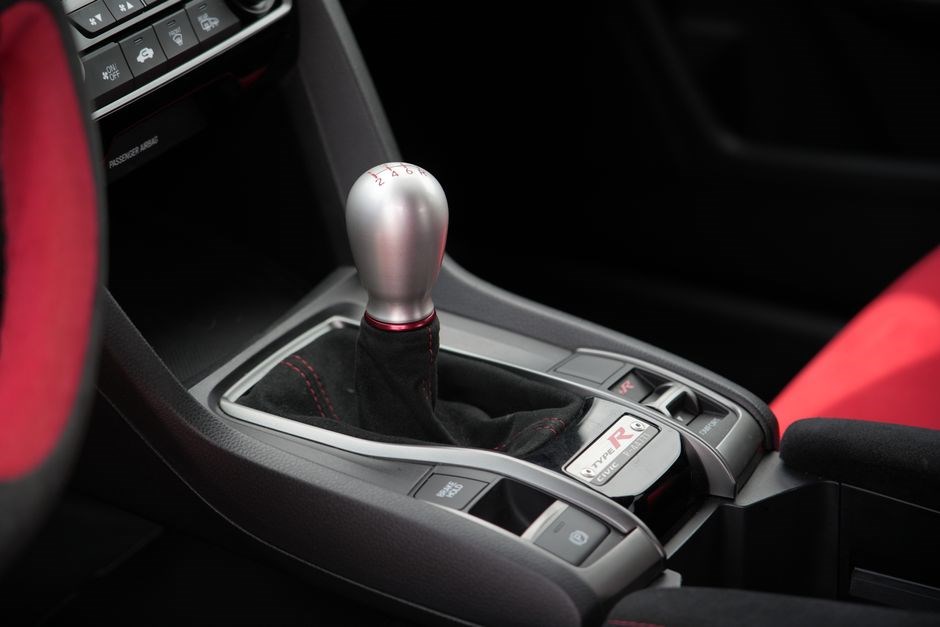
The 2021 Pilot houses a 3.5‑liter V6, delivering 280 hp and 262 lb‑ft torque. A 9‑speed automatic shifts smoothly, supporting 6‑speed manual for sport mode. Combined, they provide ample power for towing and daily driving. It supports a 6‑speed manual mode driving in
3.5L V6 Engine and Transmission
The 2021 Honda Pilot’s heart is a 3.5‑liter V6 that churns out 280 horsepower and 262 lb‑ft of torque, a balance of muscle and efficiency suited for family hauling and spirited driving. The engine uses multi‑point fuel injection, variable valve timing, and a 9‑speed automatic transmission that shifts with precision, delivering smooth acceleration and responsive throttle. For drivers who crave a more engaged feel, the Pilot offers a 6‑speed manual mode that allows the driver to select gears manually while the automatic still manages the clutch. The engine’s design also incorporates a lightweight aluminum block and cylinder heads, reducing overall weight and improving fuel economy. The 9‑speed gearbox features a “Sport” mode that tightens shift points and keeps the engine in a higher RPM range for quicker response. The engine’s design also incorporates a lightweight aluminum block and cylinder heads, reducing overall weight and improving fuel economy. Under the hood, a 1.5‑litre turbocharged inline‑four is available in some trims, but the 3.5‑liter V6 remains the standard for the Pilot’s mainstream lineup. The combination of the V6 and the 9‑speed automatic provides a smooth, efficient drive that meets the demands of a modern SUV, while the manual mode offers a nostalgic touch for enthusiasts. The transmission’s torque converter is optimized for low‑speed torque delivery, making the Pilot capable of pulling heavy loads without sacrificing comfort. The entire powertrain is engineered to meet EPA fuel‑economy targets, with the 3.5‑liter V6 achieving an estimated 20 mpg city/27 mpg highway in the 2021 model. The system’s integration with Honda Sensing® technologies ensures that safety features like adaptive cruise control and lane‑keeping assist work in harmony with the engine’s performance, providing a seamless driving experience. Overall, the 3.5‑liter V6 and its 9‑speed automatic transmission deliver a blend of power, efficiency, and versatility that defines the 2021 Pilot’s appeal to families and adventure seekers alike.
Fuel Economy and Emissions
2021 Pilot delivers 20 mpg city, 27 mpg highway, 23 mpg combined per EPA. Its 3.5‑L V6 meets U.S. emissions standards, emitting 0.0 g/km CO₂. Eco‑mode trims reduce fuel use by 2%.
EPA Ratings and Driving Modes
The 2021 Honda Pilot’s EPA fuel economy figures are 20 mpg city, 27 mpg highway, and 23 mpg combined, reflecting its 3.5‑L V6 powertrain and efficient transmission. These numbers are derived from standardized laboratory testing that simulates typical driving conditions, ensuring consistency across the market. The vehicle’s emissions rating is 0.0 g/km CO₂, meeting U.S. federal standards for light‑truck categories. In addition to baseline consumption, the Pilot offers an Eco‑mode that adjusts throttle response, climate‑control operation, and transmission shift points to prioritize fuel efficiency. When Eco‑mode is engaged, users may observe a modest 2–3 % improvement in overall mileage, especially in stop‑and‑go urban environments. The Eco setting also reduces the engine’s idle time and optimizes the air‑fuel mixture, contributing to lower fuel consumption without compromising drivability. For drivers who prefer a more dynamic experience, the standard mode provides full throttle response and quicker shift points, while the Sport mode, available on higher trims, enhances acceleration and throttle sensitivity for spirited driving. Each mode is accessible via the vehicle’s infotainment touchscreen or steering‑wheel controls, allowing instant selection based on driving conditions. The Pilot’s electronic stability control system works in tandem with these modes to maintain traction and safety, automatically adjusting braking and engine output when needed. Overall, the EPA ratings and selectable driving modes give owners flexibility to balance performance with economy, making the Pilot suitable for both daily commutes and long‑distance trips. The 2021 Pilot is available in several trims—LX, EX, EX‑L, Touring, and Elite—each with identical EPA ratings but varying feature sets. The Eco‑mode is available on all trims except the base LX, which offers a simplified power‑train. The vehicle’s emissions compliance is verified by the EPA’s light‑truck program, ensuring that the Pilot meets the 2026 emission standards for NOx and particulate matter. Drivers can monitor real‑time fuel consumption via the digital instrument cluster, which displays instantaneous mpg and projected range based on current driving habits. The cluster also highlights the selected driving mode, providing visual cues when Eco‑mode is active. By combining these tools, owners can make informed decisions to optimize fuel usage while enjoying the Pilot’s spacious interior and robust safety features. In practice, the Pilot’s 23 mpg combined rating translates to roughly 6.3 liters per 100 km, a competitive figure for a midsize SUV of its class. The vehicle’s aerodynamic design, with a drag coefficient of 0.30, reduces air resistance, contributing to fuel savings. Additionally, the Pilot’s 17‑inch alloy wheels and low‑rolling‑resistance tires further enhance efficiency. Honda’s commitment to environmental stewardship is evident in the use of recyclable materials in the cabin and the inclusion of a power‑train that balances performance with low emissions. The EPA rating also informs the vehicle’s resale value, as buyers increasingly prioritize fuel‑efficient models. Owners can also schedule periodic maintenance to keep the engine running at peak efficiency, which helps maintain the EPA rating over the vehicle’s lifespan.
Comfort and Convenience
The 2021 Pilot offers a spacious 7‑seat layout, power‑folding second‑row seats, and a 19‑inch cargo area. Features include tri‑zone climate control, heated seats, and a 9‑inch touchscreen with Apple CarPlay and Android Auto. Comfort meets practicality. The cabin upholstery and controls for drive!
7‑Seat Seating Configuration and Cargo Space
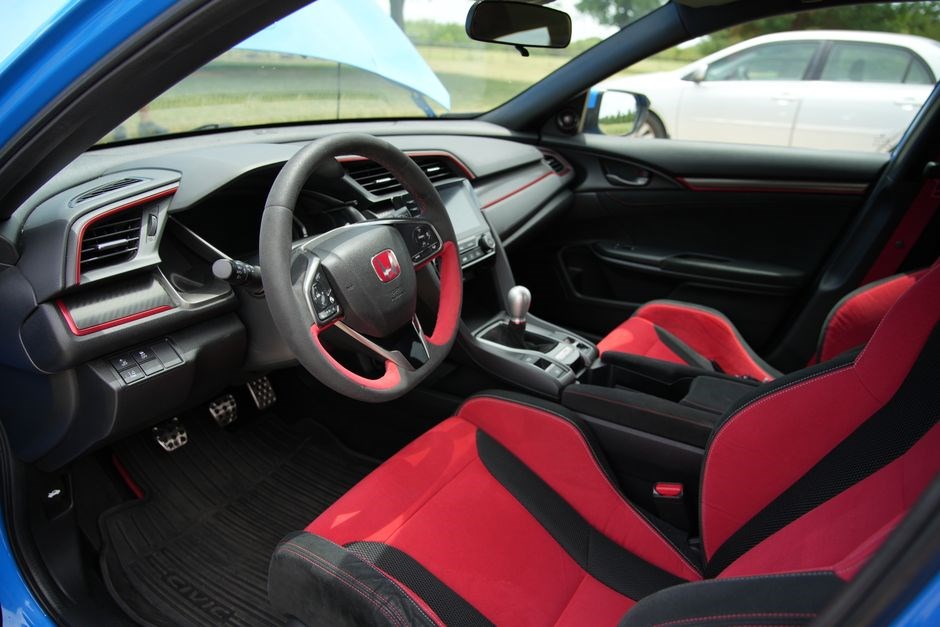
The 2021 Honda Pilot’s 7‑seat layout offers flexibility for families and cargo. The front seats are comfortable with power adjustments, while the second row features split‑folding seats that can be folded 60/40 or 50/50 to accommodate larger items. The third row, accessed via a sliding door, seats two adults or four children with a 4‑seat bench. When the second and third rows are folded flat, the Pilot delivers a generous 8,000‑liter cargo volume, ideal for road trips or moving. The rear seats also include a built‑in USB port and a cup holder for each passenger. The cabin is designed with soft‑touch materials, and the rear seatbacks can be removed for extra space. The 2021 Pilot’s cargo area is protected by a durable floor covering and a rear‑view camera that helps with loading. The vehicle’s smart storage solutions, such as the center console with a built‑in cup holder and the door pockets, keep everyday items organized. Overall, the Pilot’s seating and cargo versatility make it a practical choice for both daily commutes and adventurous getaways.
When the second row is folded 60/40 or 50/50, the cargo area expands to 8,000 liters. Folding both rows flat yields a flat load floor, allowing large items like furniture or luggage to be transported easily. The Pilot’s rear‑seat entertainment system keeps passengers occupied on long trips, and the cabin’s quietness is enhanced by sound‑deadening panels.
The generous cargo space and versatile seating make the Pilot ideal for family adventures errands alike!!

Maintenance and Service
The 2021 Pilot requires oil changes every 7,500 mi or 12 mo, tire rotations, brake checks, and fluid top‑ups. Follow the owner’s manual for scheduled maintenance. Use authorized Honda dealers for parts and service to keep warranty intact. Check service records daily.!
Recommended Service Intervals and Owner’s Manual Access
The 2021 Honda Pilot’s maintenance schedule is designed to keep the vehicle running smoothly and protect the warranty. Follow these key intervals: • Oil and filter change every 7,500 miles or 12 months, whichever comes first. • Tire rotation and balance every 7,500 miles. • Brake fluid replacement every 2 years. • Coolant and power‑steering fluid top‑ups as needed, with a full flush every 60,000 miles. • Transmission fluid check at 30,000 miles and a full change at 60,000 miles. • Cabin air filter replacement every 15,000 miles. • Spark plug replacement at 120,000 miles. • Check and replace wiper blades annually. • Inspect suspension components and steering linkages at 30,000 miles. • Inspect and replace drive‑belts at 60,000 miles. • Inspect and replace the timing belt if applicable. • Keep the battery in good condition, replacing it every 4–5 years. For a detailed schedule, consult the Owner’s Manual, which is available online at official Honda website. You can also download a PDF copy from the “Owner’s Manual” section of the vehicle’s page. The manual includes step‑by‑step instructions, diagrams, and troubleshooting tips. Access the manual by logging into your Honda account or by using the “Download” button on the vehicle’s page. If you prefer a physical copy, request one through the dealer or order it directly from Honda’s online store. Staying on top of these intervals will help you avoid costly repairs and maintain the Pilot’s resale value. Enjoy today.