Explore how PDF recipe books transform soup-making‚ offering portable‚ searchable collections that let chefs experiment with flavors‚ adjust portions‚ and stay organized—all while saving time and reducing kitchen waste. Its digital format keeps recipes fresh and seasonal daily!!!!
Overview of Soup Maker Recipe Book PDFs!
Digital soup‑maker guides have surged in popularity‚ offering chefs a compact‚ searchable archive of recipes that can be accessed on any device. These PDFs combine step‑by‑step instructions‚ ingredient lists‚ and nutritional data into a single‚ portable file. Users can instantly search for a specific soup‚ adjust serving sizes‚ or add personal notes without printing. The format also allows publishers to update recipes in real time‚ ensuring that seasonal ingredients or new techniques are reflected immediately. Many enthusiasts appreciate the ability to bookmark favorite recipes‚ create custom collections‚ and share PDFs with colleagues or friends. In addition‚ the eco‑friendly nature of digital distribution reduces paper waste and the cost of reprinting. For culinary schools and professional kitchens‚ PDF recipe books streamline training‚ provide consistent standards‚ and enable quick reference during busy service hours. The combination of convenience‚ flexibility‚ and sustainability makes PDF soup‑maker books an essential tool for modern cooks!
Moreover‚ many PDF collections sync with smart kitchen appliances‚ letting users load recipes directly into electric soup makers. This reduces manual input‚ ensures precise timing‚ and enhances consistency. Some include QR codes linking to video demos for complex techniques. The open format encourages community contributions‚ with users sharing tweaks‚ substitutions‚ and personal variations that enrich the collective knowledge base. As the culinary world embraces transformation‚ soup‑maker PDF libraries evolve into dynamic‚ collaborative platforms for both novices and seasoned chefs!
Historical Context and Current Trends
In the early 2000s‚ culinary publishers began digitizing traditional cookbooks‚ but soup‑maker PDFs only gained traction after the rise of home automation. The first wave of electronic recipe collections appeared around 2010‚ offering scanned pages and basic hyperlinks. By 2015‚ interactive PDFs allowed users to adjust quantities with embedded formulas‚ a feature that revolutionized portion control for soup makers. The 2018 release of the first dedicated soup‑maker PDF bundle coincided with the launch of smart kitchen appliances‚ creating a seamless workflow from recipe selection to automated cooking. Today‚ the market is dominated by cloud‑based platforms that host thousands of user‑generated soups‚ from classic broths to avant‑garde fusion. Trends show a shift toward sustainability‚ with many publishers incorporating zero‑waste cooking tips and locally sourced ingredient lists. Mobile‑first design has become standard‚ ensuring that PDFs render cleanly on tablets and smartphones‚ while high‑resolution images and step‑by‑step videos are embedded for visual guidance. The rise of AI‑driven recipe recommendation engines also influences PDF content‚ as algorithms curate personalized soup collections based on dietary preferences‚ seasonal availability‚ and appliance compatibility. Consequently‚ modern soup‑maker PDFs are not just static documents; they are interactive adapting to the evolving needs of home cooks and professional chefs alike!!
Types of Soup Makers
Explore electric models that auto‑blend‚ heat‚ and stir‚ and manual hand‑press versions that offer tactile control. Each type pairs with PDF guides‚ ensuring precise timing‚ ingredient ratios‚ and safety tips for beginners and pros alike. Enjoy now!!!
Electric Automatic Soup Makers
Electric automatic soup makers combine heating‚ stirring‚ and blending into a single‚ user‑friendly appliance. With preset programs for tomato‚ chicken‚ or vegetable broths‚ they eliminate manual monitoring‚ ensuring consistent temperature and texture. The integrated digital display allows precise timing‚ while a safety lock prevents accidental opening during operation. Many models feature a removable inner pot for easy cleaning and a built‑in timer that syncs with PDF recipe books‚ letting chefs follow step‑by‑step instructions and adjust portions on the fly. The ability to pre‑heat‚ sauté aromatics‚ and simmer for hours makes these machines ideal for busy households and professional kitchens alike. Their compact footprint and energy‑efficient design reduce kitchen clutter and power consumption. For enthusiasts‚ the option to connect via Bluetooth or Wi‑Fi to a mobile app unlocks recipe libraries‚ nutritional data‚ and voice‑guided cooking. This integration streamlines meal prep‚ allowing users to focus on flavor while the machine handles the heavy lifting. The result is a consistent‚ high‑quality soup with minimal effort‚ perfect for anyone looking to elevate daily meals. The PDF guide’s searchable database lets users compare ingredient swaps‚ track macros‚ and export cooking logs to health apps‚ tailoring each bowl to taste and dietary goals for both health and flavor and wellness!
Manual Hand‑Press Soup Makers
Manual hand‑press soup makers offer a tactile‚ low‑tech alternative to electric appliances‚ appealing to cooks who value control and tradition. These devices typically consist of a sturdy pot‚ a wooden or silicone press‚ and a heat‑resistant handle‚ allowing the user to manually crush vegetables‚ herbs‚ and grains into a smooth base. The hand‑press action forces liquid through a fine mesh‚ producing a clear‚ velvety broth without the need for electric stirring or heating elements. Because the process is manual‚ chefs can adjust pressure‚ speed‚ and duration to fine‑tune flavor extraction‚ achieving a depth that often surpasses automated machines. The simplicity of the design also means fewer parts to clean‚ making it ideal for small kitchens or outdoor cooking. Many hand‑press models are lightweight and portable‚ enabling chefs to bring their soup‑making kit to picnics‚ camping trips‚ or food festivals. When paired with a PDF recipe book‚ the tactile experience is enhanced by step‑by‑step visual cues‚ ingredient lists‚ and timing charts that guide the user through each stage of the press‑and‑blend cycle. Users can annotate PDFs directly‚ noting variations in texture or seasoning‚ and save these custom notes for future reference. This synergy between manual craftsmanship and digital documentation fosters a deeper connection to the cooking process‚ encouraging experimentation and mindful preparation. Ultimately‚ manual
Benefits of PDF Recipe Books
PDF recipe books offer instant access‚ easy search‚ and no paper waste. They’re lightweight‚ portable‚ and can be updated instantly‚ ensuring chefs always have the latest soup‑making techniques and ingredient tweaks at hand. Download now. Enjoy
Portability and Instant Accessibility
Imagine carrying a full library of soup recipes in your pocket. PDF recipe books make this possible. They are lightweight‚ requiring no physical space‚ and can be stored on any device—smartphone‚ tablet‚ laptop‚ or e‑reader. This portability means you can access your favorite broths‚ chowders‚ and consommés wherever you are‚ whether in the kitchen‚ on a road trip‚ or at a culinary workshop.
Instant accessibility is another key advantage. With a single tap‚ you can open a PDF‚ search for a keyword‚ and jump straight to the exact recipe you need. No more flipping through printed pages or hunting for a specific index. PDFs also support hyperlinks‚ allowing you to navigate between related recipes‚ ingredient lists‚ or cooking tips in seconds.
Because PDFs are universally supported‚ you can share them with colleagues or friends with just an email attachment or a cloud link. They can open the file on any operating system without compatibility issues. This ease of sharing promotes collaboration and community building among soup enthusiasts.
Moreover‚ PDFs are easily updated. If a new soup variation is created or an ingredient substitution is recommended‚ the file can be regenerated and redistributed instantly; Users always have the most current information without waiting for a new print run.
Cost‑Effective Distribution and Updates
PDF recipe books eliminate printing costs‚ making them ideal for publishers and hobbyists alike. A single digital file can be distributed worldwide via email‚ cloud storage or a dedicated website‚ reaching thousands of users without incurring shipping or paper expenses. This model also supports frequent updates: new soup variations‚ ingredient substitutions‚ or seasonal menu changes can be incorporated into the PDF and redistributed instantly‚ ensuring readers always have the latest information.
Because PDFs are lightweight‚ they consume minimal bandwidth‚ allowing quick downloads even on low‑speed connections. Users can store the file on a USB drive or SD card‚ sharing it offline with friends or colleagues. The file’s integrity is preserved through digital signatures‚ preventing accidental alterations and maintaining recipe authenticity.
For educational institutions or culinary schools‚ PDF collections can be bundled into a single archive‚ reducing storage costs and simplifying curriculum updates. Institutions can license the PDF for a flat fee‚ avoiding the recurring costs associated with printed cookbooks. Additionally‚ the environmental impact is significantly lower‚ as no paper waste is produced.
Overall‚ the cost‑effective nature of PDF distribution‚ combined with the ability to update content rapidly‚ makes digital soup recipe books a sustainable and economically smart choice for both creators and consumers. Enjoy exploring new flavors and share them!
PDFs support embedded videos‚ quizzes‚ and printable shopping lists‚ boosting engagement for chefs!!.
Recipe Categories
Discover diverse soup styles: classic New‑England biscuits‚ hearty vegetarian and vegan blends‚ low‑calorie keto options‚ and bold international fusion dishes—all curated for easy PDF access and instant kitchen inspiration. plus seasonal twists for adven cooks new.
Classic New‑England Biscuits and Broth
In the heart of New England‚ the humble biscuit has evolved into a comforting broth companion. A PDF recipe book dedicated to this tradition offers step‑by‑step guidance‚ from selecting the right flour to achieving the perfect crumb. The broth base—often a slow‑simmered stock of pork bones‚ onions‚ carrots‚ celery‚ and a hint of apple cider vinegar—provides a savory canvas. The biscuits‚ made with buttermilk‚ butter‚ and a touch of baking powder‚ rise to fluffy perfection. The PDF format allows readers to bookmark favorite variations‚ such as adding cheddar‚ chives‚ or smoked bacon bits. Users can adjust ingredient ratios for dietary preferences‚ and the digital layout includes high‑resolution photos and printable checklists. By integrating these classic recipes into a soup maker‚ home cooks save time while preserving the region’s culinary heritage. The PDF’s searchable text lets enthusiasts experiment with seasoning‚ portion sizes‚ and even gluten‑free alternatives‚ ensuring each bowl delivers the comforting warmth of a New England kitchen. This digital compendium also features interactive elements such as ingredient substitution charts‚ portion calculators‚ and a seasonal calendar that suggests the best produce for each broth‚ ensuring that even novice cooks can confidently recreate the comforting flavors of New England’s kitchens‚ while the PDF’s lightweight format keeps the size under 2 MB forand quick sharing.
Vegetarian and Vegan Soups
In today’s kitchen‚ a PDF recipe book that focuses on vegetarian and vegan soups offers a versatile‚ health‑centric toolkit for cooks of all levels. The digital format allows instant access to a wide range of plant‑based broths‚ from light‚ aromatic miso‑ginger to hearty lentil‑chili. Each recipe includes a clear ingredient list‚ step‑by‑step instructions‚ and suggested substitutions—so readers can swap out tofu for tempeh‚ cashew cream for coconut milk‚ or chickpeas for beans—while maintaining flavor and texture. The PDF’s searchable text makes it easy to locate specific dietary needs‚ such as gluten‑free‚ low‑FODMAP‚ or high‑protein options. A dedicated section on “Flavor Building” explains how to layer umami‚ acidity‚ and heat with pantry staples like nutritional yeast‚ tamari‚ and smoked paprika. The layout features high‑resolution images of finished dishes‚ a printable “Shopping List” toggle‚ and a “Nutrition Snapshot” that automatically calculates calories‚ macros‚ and fiber per serving. By integrating these recipes into a soup maker‚ users can automate simmering times‚ reduce prep work‚ and enjoy consistent‚ restaurant‑quality bowls at home. The PDF’s lightweight design keeps file size under 2 MB‚ enabling quick sharing and offline use during travel or power outages; This resource empowers both seasoned chefs and beginners to explore global flavors—Thai coconut‑lime‚ Moroccan harira‚ Mexican pozole—while staying true to vegetarian and vegan principles. Readers can also customize spice levels‚ add fresh herbs‚ or incorporate seasonal vegetables‚ ensuring each bowl reflects personal taste and local produce availability today
Low‑Calorie and Keto Soups
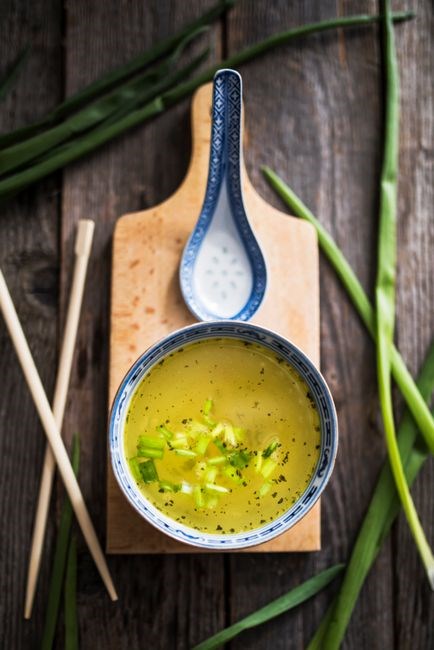
Each recipe lists macro targets—under 200 kcal per serving or 5 g net carbs—alongside ingredient substitutions that keep calories low while preserving texture. The guide highlights broth bases such as bone broth‚ cauliflower‑cream‚ or tomato‑based consommé‚ and shows how to enrich them with protein powders‚ avocado oil‚ or coconut milk for keto‑friendly fat content. A “Macros & Nutrients” table appears on every page‚ automatically updating when users adjust portion sizes‚ so the PDF remains a dynamic tool. Recipes cover classics like chicken‑broth with zucchini noodles‚ spicy sausage‑free chili‚ and creamy mushroom soup with almond milk. The layout includes a printable “Ingredient Swap” sheet‚ enabling readers to replace high‑carb items (rice‚ pasta) with cauliflower rice‚ spiralized veggies‚ or shirataki noodles. The PDF’s searchable text lets users find “low‑calorie” or “keto” tags instantly‚ while the “Quick‑Prep” notes suggest how to use a soup maker’s “simmer” or “pulse” functions to reduce cooking time. Whether you’re a dietitian‚ parent‚ orculinary enthusiast‚ the PDF’s modular design lets you tailor each soup to taste‚ calorie goals‚ and time constraints‚ making healthy eating effortless.
International Fusion Soups
In the PDF‚ the “International Fusion” section showcases soups that blend culinary traditions from Asia‚ Latin America‚ Africa‚ and the Mediterranean‚ all adapted for the soup maker. Each recipe includes a brief cultural background‚ a list of key spices‚ and a step‑by‑step guide that leverages the appliance’s “simmer‚” “pulse‚” and “blend” settings. For example‚ the “Thai Coconut‑Curry Gazpacho” combines coconut milk‚ lemongrass‚ and tomato with a chilled base‚ while the “Peruvian Quinua‑Sopa” fuses quinoa‚ corn‚ and a smoky chipotle broth. The PDF also offers a “Flavor Profile” matrix that helps readers swap ingredients—such as replacing rice with cauliflower rice for a lower‑carb version—without compromising authenticity. Each entry features a nutrition summary‚ suggested garnishes‚ and a “Chef’s Tip” that explains how to adjust consistency using the soup maker’s “puree” mode. The layout is designed for quick reference: a two‑column table lists ingredients‚ quantities‚ and optional substitutions‚ followed by a concise cooking timeline. By integrating these fusion recipes‚ the guide encourages experimentation‚ promotes flavors‚ and demonstrates how a single appliance can deliver soups at home. Readers can personalize each soup by adjusting spice levels‚ adding protein like tofu or shrimp‚ swapping dairy for coconut cream‚ ensuring every bowl meets dietary needs while delivering flavors!!!
Publishing and Distribution
Publishing a soup‑maker PDF involves designing a clean layout‚ embedding high‑resolution images‚ and ensuring compatibility across devices. Distribution can be via email‚ cloud links‚ or app stores‚ allowing updates reach now! PDF share
Designing a User‑Friendly PDF Layout
Creating a user‑friendly PDF for a soup‑maker recipe collection starts with a clear hierarchy. Use a large‚ bold title on the first page‚ followed by a concise table of contents that links to each section. Consistent typography—sans‑serif for body text and a decorative serif for headings—keeps the eye moving smoothly. Margins should be generous (1.5‑inch) to allow easy annotation on printed copies.
Each recipe card should occupy a single page or a two‑column layout. Place the dish name in a prominent H2 style‚ followed by a high‑res photo that fills the top half. Below the image‚ a bulleted list of ingredients uses a smaller font‚ while cooking steps are numbered for clarity. Include a “Prep Time” and “Cook Time” box in the top right corner‚ styled with a subtle background color to differentiate it from the rest of the text.
Interactive elements enhance usability. Hyperlinks in the table of contents jump to the relevant page‚ and “Back to Top” links appear at the bottom of each recipe. A “Print” button can be embedded in the PDF header‚ allowing users to print only the selected recipe. For mobile readers‚ use a responsive PDF viewer that supports pinch‑to‑zoom and full‑screen mode.
Accessibility is essential. Use proper heading tags (H1‚ H2‚ H3) so screen readers can navigate the document. Provide alt text for all images‚ and choose a color contrast ratio of at least 4.5:1 for readability. Compress images and embed fonts to keep the file size under 5 MB‚ ensuring quick download and smooth performance on low‑bandwidth devices.