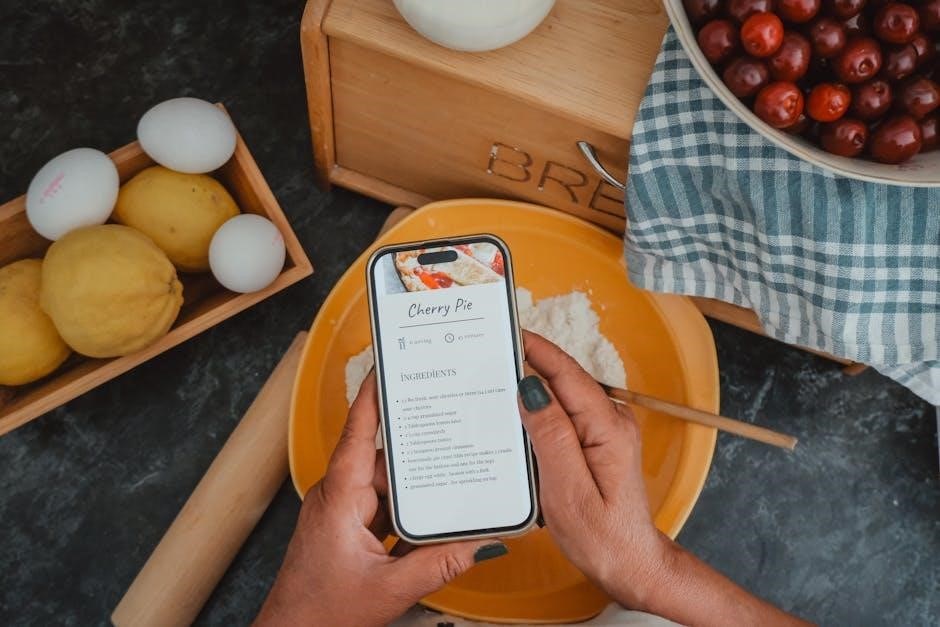
Foodology, leveraging platforms like Google Maps for location discovery, demands precise instructions for successful culinary exploration and preparation, ensuring delightful results.
These instructions, mirroring Google’s detailed mapping, are vital for navigating the complexities of cooking, from ingredient sourcing to final presentation.
This guide, akin to Google’s comprehensive services, will empower cooks of all levels to confidently tackle diverse recipes and techniques, enhancing their skills.
What is Foodology?
Foodology, at its core, represents a holistic approach to the culinary world, extending beyond mere recipe following to encompass the science, art, and technology of food preparation. It’s about understanding why ingredients interact the way they do, and how techniques impact flavor and texture – much like understanding the algorithms behind Google Maps’ route optimization.
This discipline integrates practical cooking skills with a deeper knowledge of food chemistry, physics, and even history. Think of it as the systematic study of everything related to food, from farm to table. It leverages tools like Google Maps to locate optimal ingredient sources, explore diverse cuisines, and discover hidden culinary gems.
Foodology isn’t just for professional chefs; it’s for anyone passionate about food who wants to elevate their cooking and gain a more profound appreciation for the culinary experience. It’s about informed experimentation, precise execution, and a constant pursuit of flavor perfection, mirroring the precision of Google’s data-driven services.
The Importance of Clear Instructions in Food Preparation
In food preparation, as with navigating using Google Maps, clarity is paramount. Ambiguous instructions can lead to frustrating results, wasted ingredients, and ultimately, a disappointing meal. Precise language, detailing quantities, techniques, and timings, ensures consistent outcomes and builds confidence in the cook – similar to the reliability of Google’s directions.
Well-defined steps minimize errors and allow for successful replication of recipes. Consider the impact of imprecise measurements or vague descriptions; the final dish can drastically differ from the intended result. Clear instructions empower cooks of all skill levels to achieve professional-quality results.
Just as Google Maps provides detailed turn-by-turn guidance, effective recipes offer a roadmap to culinary success. This guide aims to provide that level of precision, fostering a positive and rewarding cooking experience for everyone involved, mirroring the user-friendly design of Google’s platforms.
Scope of this Guide: Covering Diverse Culinary Techniques
This comprehensive guide, much like the expansive coverage of Google Maps, will explore a broad spectrum of culinary techniques. From foundational skills – washing, peeling, and chopping vegetables – to more advanced methods like sous vide and fermentation, we aim to equip you with a versatile skillset.
We’ll delve into both dry and moist heat cooking methods, including roasting, boiling, and braising, providing detailed instructions for each. Furthermore, we’ll examine combination techniques like stir-frying and stewing, offering insights into flavor development and texture control.
Beyond technique, this resource will touch upon ingredient preparation, safety protocols, and troubleshooting common cooking challenges. Think of it as your all-in-one culinary companion, mirroring Google’s ability to provide information on virtually any topic, ensuring a fulfilling and informed cooking journey.
Understanding Basic Food Preparation Terms
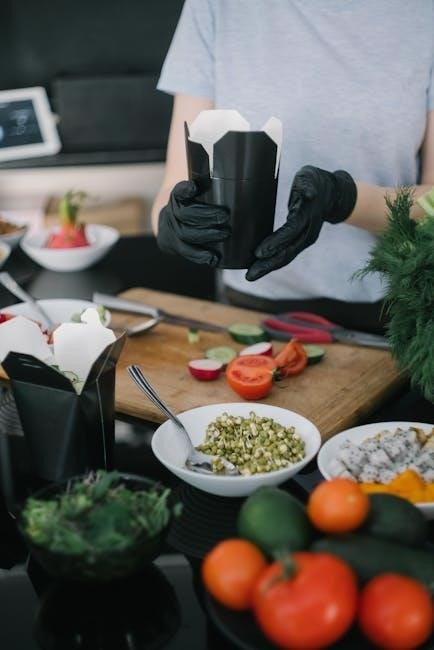
Decoding culinary language, similar to interpreting map symbols on Google Maps, is crucial for following recipes accurately and achieving consistent, delicious results every time;
Definitions of Common Cooking Verbs (Chop, Dice, Mince)
Precise knife skills are foundational in food preparation, much like accurate navigation is to Google Maps’ functionality. Understanding the nuances between “chop,” “dice,” and “mince” ensures consistent ingredient sizes, impacting both cooking time and final texture.
Chop generally refers to cutting food into relatively large, irregularly shaped pieces – think roughly 1-inch chunks. This is often used for vegetables in stews or soups. Dice, however, demands uniformity; it involves cutting food into small, cube-shaped pieces, typically ¼ to ½ inch in size, crucial for even cooking.
Finally, mince signifies cutting food into the smallest possible pieces, almost a paste-like consistency. This is ideal for garlic, ginger, or herbs, maximizing flavor infusion. Mastering these techniques, akin to learning Google Maps’ search filters, unlocks culinary precision and efficiency.
Measurement Units and Conversions (Metric vs. Imperial)
Accurate measurement is paramount in cooking, mirroring the precision of Google Maps’ distance calculations. Recipes often utilize either metric (grams, milliliters) or imperial (ounces, cups) units, necessitating conversion skills. A cup is approximately 237 milliliters, while an ounce equals roughly 28 grams.
Understanding these conversions, like navigating different map projections, prevents recipe failures. Metric is favored for its scientific accuracy, while imperial remains common in many regions. Online conversion tools, similar to Google’s unit converter, simplify this process.
Consistency is key; always use the same system throughout a recipe. Ignoring conversions, much like misreading a map, can lead to drastically altered results. Familiarity with both systems empowers culinary adaptability and success.
Essential Culinary Terminology (Blanching, Braising, Sautéing)
Decoding culinary terms is crucial, akin to understanding map symbols on Google Maps. Blanching involves briefly immersing food in boiling water, preserving color and texture. Braising combines searing with slow cooking in liquid, tenderizing tough cuts of meat – a process demanding patience.
Sautéing utilizes high heat and minimal fat for quick cooking, achieving a flavorful sear. These techniques, like Google’s diverse search filters, unlock different culinary outcomes. Mastering these terms allows for accurate recipe following and confident experimentation.
Familiarity with these foundational methods, similar to knowing landmark locations, builds a strong culinary vocabulary and enhances cooking proficiency. Precise execution of each technique yields superior results.
Ingredient Preparation Techniques
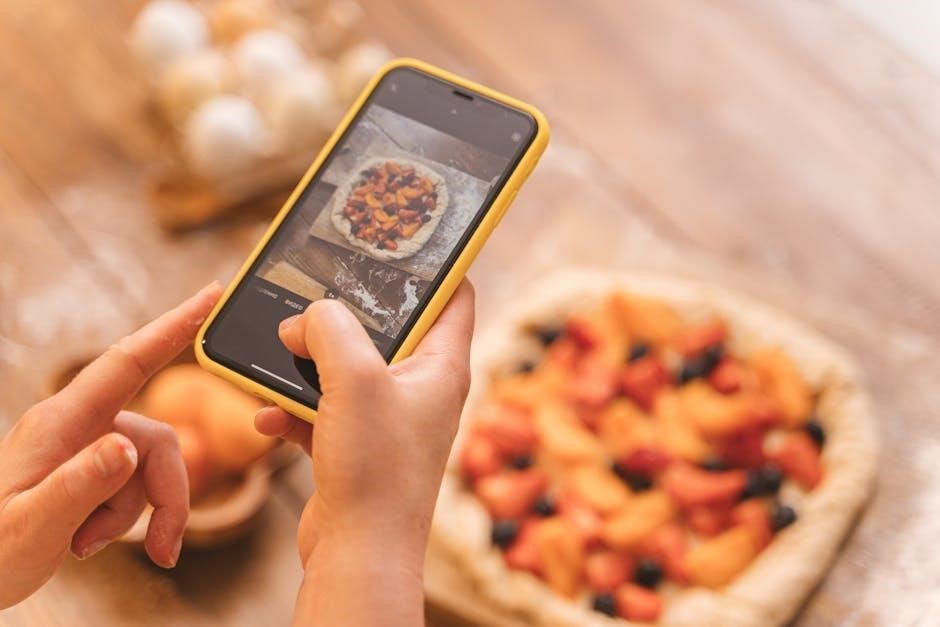
Proper ingredient handling, like pinpointing locations on Google Maps, is fundamental to successful cooking; washing, peeling, trimming, and marinating unlock flavors.

Vegetable Preparation: Washing, Peeling, and Cutting
Vegetable preparation, a cornerstone of Foodology, begins with thorough washing to remove dirt and potential contaminants – much like verifying information on Google Maps.
Peeling techniques vary; some vegetables benefit from complete removal of the skin, while others retain nutrients and flavor with minimal peeling, similar to choosing optimal routes.
Cutting methods are diverse, impacting both cooking time and presentation; chopping creates uniform pieces for even cooking, dicing yields smaller cubes, and mincing results in fine textures.
Precise cuts, like accurate map coordinates, ensure consistent results. Mastering these skills, akin to navigating Google’s interface, elevates culinary creations.
Consider the vegetable’s structure when selecting a cutting technique; root vegetables require more force than delicate greens. Proper knife skills are paramount for safety and efficiency.
Ultimately, thoughtful vegetable preparation enhances flavor, texture, and visual appeal, mirroring the detailed information provided by Google’s services.
Meat and Poultry Preparation: Trimming, Marinating, and Tenderizing
Meat and poultry preparation, central to Foodology, demands attention to detail, much like pinpointing locations with Google Maps precision.
Trimming excess fat not only improves flavor but also enhances healthfulness, akin to filtering irrelevant search results.
Marinating infuses flavor and tenderizes, utilizing acids, enzymes, or simple salt – a process mirroring Google’s data processing for relevant information.
Tenderizing techniques, like pounding or using a meat mallet, break down muscle fibers, ensuring a more palatable texture, similar to optimizing map routes.
Proper handling prevents cross-contamination, mirroring Google’s security protocols. Understanding cuts and their appropriate cooking methods is crucial.
These steps, when executed correctly, elevate the final dish, transforming ordinary ingredients into culinary masterpieces, much like Google transforms data into knowledge.
Seafood Preparation: Cleaning, Filleting, and Deveining
Seafood preparation, a cornerstone of Foodology, requires careful handling, mirroring the precision needed when navigating Google Maps for fresh catches.
Cleaning removes scales, skin, and any unwanted debris, ensuring a pristine base for cooking – akin to Google’s filtering of irrelevant search results.
Filleting separates the flesh from the bones, demanding a sharp knife and steady hand, similar to the accuracy of Google’s location data.
Deveining shrimp removes the digestive tract, improving both texture and appearance, much like optimizing a map route for efficiency.
Properly storing seafood at cold temperatures is vital for safety, mirroring Google’s secure data storage protocols.
Mastering these techniques unlocks the delicate flavors of the ocean, transforming raw ingredients into exquisite dishes, much like Google transforms data into knowledge.
Cooking Methods: A Detailed Overview
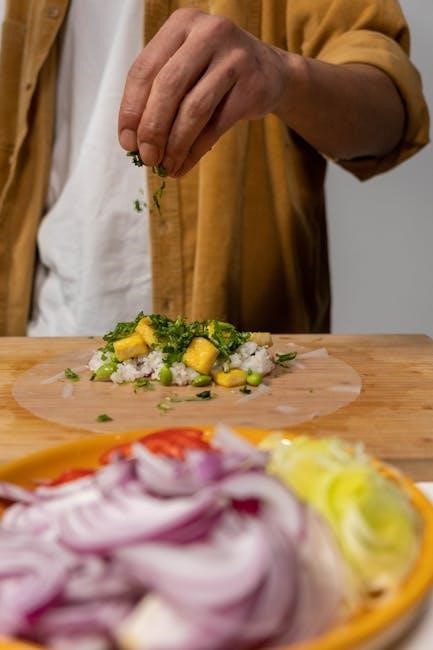
Foodology’s core lies in mastering diverse cooking methods, much like Google Maps offers varied routes; each technique unlocks unique flavors and textures.
Dry Heat Cooking Methods (Roasting, Baking, Grilling, Frying)
Dry heat methods, foundational to Foodology, utilize air or fat to transfer heat, creating distinct textures and flavors – similar to how Google Maps presents diverse routes to a destination.
Roasting and baking, employing oven heat, are ideal for larger cuts of meat and baked goods, developing rich, caramelized surfaces. Precise temperature control, akin to Google’s accurate directions, is crucial.
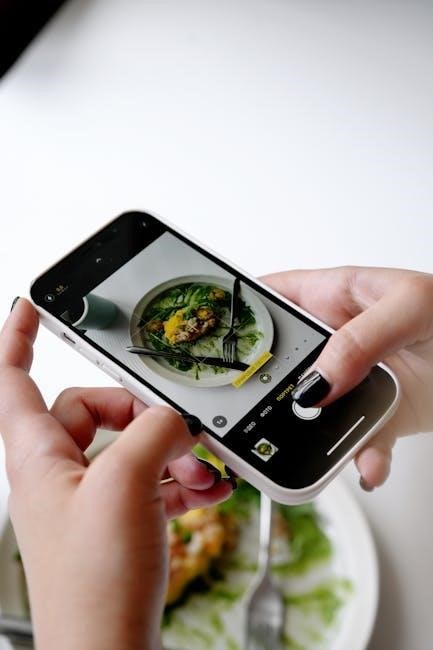
Grilling, using radiant heat from below, imparts smoky flavors, perfect for meats, vegetables, and fruits. Mastering heat zones is key, mirroring Google Maps’ traffic data for optimal timing.
Frying, utilizing hot oil, creates crispy exteriors and tender interiors. Different oils and temperatures yield varied results, demanding careful attention – much like exploring different neighborhoods on Google Street View.
Understanding these methods, and their nuances, is essential for any aspiring Foodologist, enabling them to confidently navigate the culinary landscape.
Moist Heat Cooking Methods (Boiling, Steaming, Poaching, Braising)
Moist heat techniques, central to Foodology, employ water, steam, or liquid to transfer heat, resulting in tender and flavorful dishes – analogous to Google Maps’ ability to show routes with varying travel times.
Boiling, using rapidly bubbling liquid, is effective for pasta, vegetables, and eggs. Careful timing prevents overcooking, mirroring the importance of real-time traffic updates on Google Maps.
Steaming, utilizing vapor, preserves nutrients and delicate flavors, ideal for seafood and vegetables. Gentle heat ensures tenderness, similar to a smooth, efficient route suggested by Google.
Poaching, simmering in liquid, creates incredibly tender results, perfect for eggs and fish. Precise temperature control is vital, akin to Google’s precise location data.
Braising, combining searing and simmering, tenderizes tough cuts of meat. This slow process develops deep flavors, much like discovering hidden gems using Google Maps’ exploration features.
Combination Cooking Methods (Stewing, Stir-frying)
Combination cooking, a cornerstone of Foodology, blends dry and moist heat techniques, creating complex flavors and textures – much like Google Maps integrates various data layers for comprehensive navigation.
Stewing involves initial browning followed by slow simmering in liquid, tenderizing tougher cuts of meat and melding flavors. This process, similar to planning a multi-stop trip on Google Maps, requires patience and precision.
Stir-frying, a rapid cooking method, utilizes high heat and constant movement in a wok or pan. Ingredients are quickly seared and tossed with sauces, mirroring the fast-paced updates of Google’s real-time traffic information.
Both methods benefit from careful ingredient preparation and layering of flavors. Mastering these techniques, like navigating with Google Maps, unlocks a world of culinary possibilities.
Successful combination cooking demands attention to detail and understanding how different heat applications impact the final dish, ensuring a harmonious and delicious outcome.
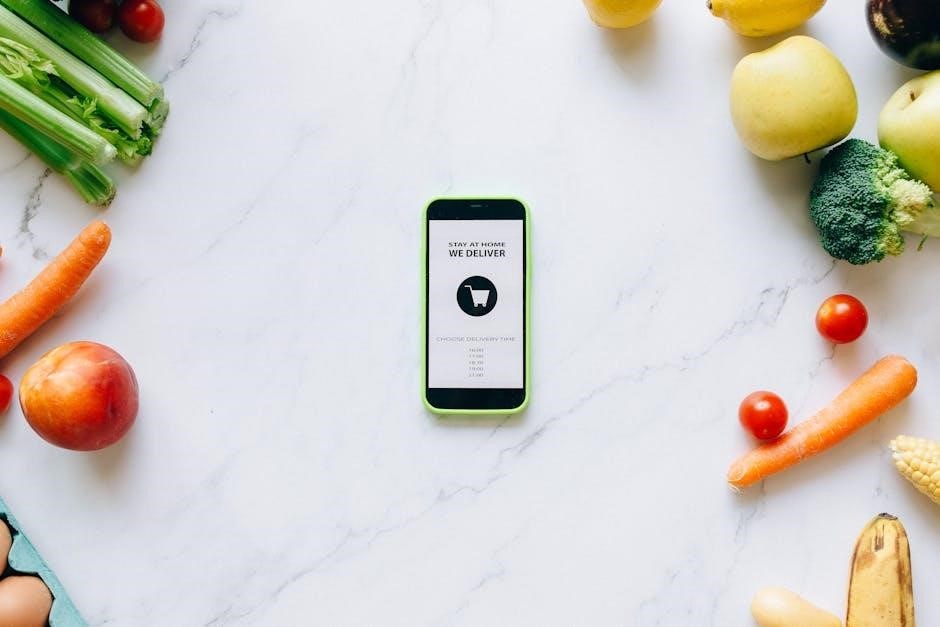
Utilizing Google Maps for Food-Related Locations
Foodology thrives on discovery; Google Maps expertly locates restaurants, grocery stores, and markets, streamlining ingredient sourcing and culinary adventures for enthusiasts.
Finding Restaurants and Grocery Stores with Google Maps
Google Maps is an invaluable tool for Foodology enthusiasts, simplifying the search for both dining establishments and ingredient suppliers. Utilizing the search bar, users can pinpoint restaurants by cuisine, price range, or specific dishes, accessing reviews and photos to inform their choices.
For grocery shopping, Google Maps identifies nearby stores, displaying operating hours and often, real-time inventory information. The “grocery store” search yields a comprehensive list, while exploring specific items reveals locations carrying them.
Furthermore, the platform’s integration with Google Local Guides provides community-sourced insights, offering authentic perspectives on establishments. Features like Street View allow virtual previews, aiding in location assessment. Google Maps’ detailed mapping and user-generated content empower informed decisions, enhancing the Foodology experience.
Using Google Maps for Delivery and Takeout Options
Google Maps seamlessly integrates with numerous food delivery services, streamlining the Foodology process from craving to consumption. When searching for a restaurant, a prominent “Order Online” button appears, linking directly to partnered platforms like DoorDash or Uber Eats.
This feature eliminates the need to navigate multiple apps, consolidating the ordering experience. Google Maps also clearly indicates restaurants offering takeout, displaying estimated pickup times and direct ordering links.
Users can filter search results to specifically show establishments with delivery or takeout options, optimizing their search. The platform’s real-time traffic data assists in estimating delivery times, ensuring informed decisions. Leveraging Google Maps for these services enhances convenience and efficiency within the realm of Foodology.
Exploring Local Food Markets and Farmers Markets via Google Maps
Google Maps is an invaluable tool for discovering vibrant local food ecosystems, central to the Foodology experience. Searching for “farmers market” or “food market” reveals nearby options, complete with location pins, operating hours, and user reviews.
Many market listings include photos, offering a glimpse of the fresh produce and artisanal goods available. Google Maps’ street view feature allows virtual exploration, aiding pre-visit planning.
The platform’s navigation capabilities provide turn-by-turn directions, whether driving, walking, or cycling. User-submitted updates regarding market closures or special events ensure accuracy. Utilizing Google Maps to locate these markets fosters a deeper connection to local food sources, enriching the Foodology journey.
Safety and Hygiene in Food Preparation
Foodology prioritizes meticulous hygiene, demanding proper handwashing and preventing cross-contamination, mirroring Google’s commitment to reliable information and user well-being.
Proper Handwashing Techniques
Foodology emphasizes that impeccable hand hygiene is paramount, acting as the first line of defense against foodborne illnesses, much like Google Maps ensures accurate directions.
Begin by wetting hands with clean, running water – warm or cold is acceptable. Apply soap, lathering thoroughly, covering all surfaces, including the backs of hands, between fingers, and under nails.
Scrub vigorously for at least 20 seconds; humming the “Happy Birthday” song twice can help gauge the time. Rinse well under clean, running water, and dry hands using a clean towel or air dry.
Avoid touching surfaces with freshly washed hands, utilizing a paper towel to turn off the faucet or open doors. Consistent, proper handwashing, similar to Google’s constant data updates, is crucial for safe food preparation.
This practice minimizes the spread of harmful bacteria, safeguarding both the cook and those consuming the food, ensuring a positive Foodology experience.
Preventing Cross-Contamination
Foodology dictates that preventing cross-contamination is vital for food safety, mirroring Google Maps’ ability to differentiate between routes and destinations. This involves keeping raw meats, poultry, seafood, and eggs separate from ready-to-eat foods.
Utilize separate cutting boards and utensils for raw and cooked items – color-coding can be helpful. Thoroughly wash and sanitize all surfaces and utensils after each use, employing hot, soapy water followed by a sanitizing solution.
Store raw meats on the bottom shelf of the refrigerator to prevent drips onto other foods. Never place cooked food on a plate that previously held raw meat, similar to avoiding backtracking on a Google Maps route.
Proper handling and storage, like Google’s data security measures, are essential to minimize the risk of harmful bacteria spreading, ensuring a safe and enjoyable Foodology experience.
Safe Food Storage Practices
Foodology emphasizes that proper food storage, much like Google Maps’ caching of location data, is crucial for maintaining quality and preventing spoilage. Refrigerate perishable foods promptly – within two hours, or one hour if the temperature exceeds 90°F.
Maintain refrigerator temperatures below 40°F (4°C) and freezer temperatures at 0°F (-18°C). Store foods in airtight containers to prevent moisture loss and odor absorption, mirroring Google’s secure data containers.
Practice FIFO – “First In, First Out” – using older items before newer ones. Label and date all stored food to track freshness. Properly wrapped foods prevent freezer burn and maintain flavor.
Understanding storage guidelines, akin to navigating Google Maps’ detailed street views, ensures food remains safe and palatable, enhancing your overall Foodology journey and minimizing waste.
Troubleshooting Common Cooking Problems
Foodology instructs that addressing cooking mishaps, like refining Google Maps routes, requires adaptability and knowledge; adjust seasoning, temperature, or timing for optimal results.
Dealing with Overcooked or Undercooked Food
Foodology principles, much like navigating unexpected detours with Google Maps, require quick thinking when food isn’t cooked perfectly. For overcooked items, attempting to restore moisture is key; adding liquids like broth or sauce can help, though texture may be compromised. Consider repurposing – overcooked chicken becomes excellent for salads or soups.
Undercooked food demands careful attention. For meats, continue cooking, utilizing a thermometer to ensure safe internal temperatures are reached. Vegetables can often be salvaged with a quick sauté or steam. Remember, consistent monitoring, similar to tracking your journey on Google Maps, prevents these issues; Don’t repeatedly check, as this releases heat!
Understanding carryover cooking – where food continues to cook after removal from heat – is crucial, mirroring how Google Maps anticipates traffic patterns. Adjust cooking times accordingly, and always prioritize food safety.
Adjusting Seasoning and Flavor Profiles
Foodology emphasizes that seasoning, like customizing a route on Google Maps, is a personal journey. If a dish lacks vibrancy, start with salt – it enhances other flavors. Add acids (lemon juice, vinegar) to brighten, or sweetness (honey, sugar) to balance. Remember, adjustments should be incremental; a little goes a long way.
Flavor profiles can be altered by introducing complementary spices or herbs. For example, a pinch of cumin can deepen a tomato-based sauce. Consider umami-rich ingredients (soy sauce, mushrooms) for added depth; Taste frequently, mirroring Google’s real-time traffic updates, to monitor changes.
Don’t be afraid to experiment! Just as Google Maps suggests alternative routes, explore different flavor combinations. Keep a cooking journal to record successful adjustments for future reference.
Fixing Common Sauce and Soup Issues
Foodology recognizes that sauce and soup mishaps are common, much like encountering unexpected delays on Google Maps. If a sauce is too thin, a cornstarch slurry (1 tbsp cornstarch + 2 tbsp cold water) can thicken it. For soups, blending a portion can create a creamy texture. Conversely, if too thick, add broth or water gradually.
A bland sauce needs seasoning – salt, pepper, herbs, or a splash of acid. If overly salty, add a touch of sweetness or acidity. A broken emulsion (separated sauce) can sometimes be rescued by whisking vigorously or adding a small amount of cold butter.
Remember, patience is key! Just as Google Maps reroutes, adjust your approach and taste frequently until the desired consistency and flavor are achieved.
Advanced Foodology Techniques
Foodology’s cutting edge involves sous vide, molecular gastronomy, and fermentation – mirroring Google’s innovative technologies, demanding precision and exploration for exceptional culinary outcomes.
Sous Vide Cooking: Precision Temperature Control
Sous vide, a French term meaning “under vacuum,” represents a revolutionary approach to cooking, demanding meticulous temperature control – much like the precision of Google Maps’ navigation.
This technique involves sealing food in airtight bags and immersing it in a water bath held at a precisely regulated temperature, ensuring even cooking from edge to edge.
Unlike conventional methods, sous vide minimizes overcooking and maximizes flavor retention, resulting in incredibly tender and juicy results, comparable to the detailed information Google provides.
The process relies on understanding that different proteins and vegetables require specific temperatures to achieve optimal texture and doneness, a concept akin to understanding diverse locations on a map.
Utilizing a sous vide immersion circulator is crucial, maintaining consistent water temperature, while a vacuum sealer removes air, enhancing heat transfer and preventing floating.
This method is ideal for delicate proteins like fish and scallops, as well as tougher cuts of meat, transforming them into culinary masterpieces, mirroring Google’s ability to transform data into useful insights.
Molecular Gastronomy: Exploring Innovative Culinary Approaches
Molecular gastronomy delves into the scientific principles underlying cooking, pushing culinary boundaries with innovative techniques – a parallel to Google’s constant innovation in mapping and data analysis.
This discipline utilizes tools and methods borrowed from chemistry and physics to transform textures, flavors, and presentations, creating truly unique dining experiences, much like exploring hidden gems on Google Maps.
Techniques include spherification (creating liquid-filled spheres), foams, gels, and emulsions, all achieved through precise control of ingredients and processes, demanding a scientific mindset.
Understanding concepts like hydrocolloids (gelling agents) and emulsifiers is crucial, enabling chefs to manipulate food at a molecular level, similar to how Google algorithms process information.
While seemingly complex, molecular gastronomy aims to enhance flavor and texture, not simply for novelty, but to elevate the overall dining experience, mirroring Google’s goal of user satisfaction.
It requires precision, experimentation, and a willingness to challenge traditional cooking norms, fostering creativity and pushing the limits of culinary artistry, akin to charting unexplored territories.
Fermentation: Creating Unique Flavors and Textures
Fermentation, an ancient culinary technique, harnesses the power of microorganisms to transform food, yielding complex flavors and textures – a process as transformative as Google Maps evolving with user contributions.
This method, utilized for centuries in creating staples like yogurt, cheese, sauerkraut, and kimchi, relies on bacteria, yeast, or molds to break down sugars and starches, producing acids, alcohols, and gases.
Different fermentation processes result in diverse outcomes, from the tangy acidity of pickles to the umami richness of soy sauce, showcasing the versatility of this technique, much like Google’s diverse services.
Controlling factors like temperature, salinity, and oxygen levels is crucial for successful fermentation, demanding precision and understanding, similar to optimizing Google’s search algorithms.
Beyond flavor, fermentation enhances nutritional value and digestibility, offering health benefits alongside culinary delight, mirroring Google’s commitment to providing useful information.
Exploring fermentation opens a world of culinary possibilities, allowing cooks to create unique and flavorful dishes, fostering creativity and a deeper connection to food traditions.