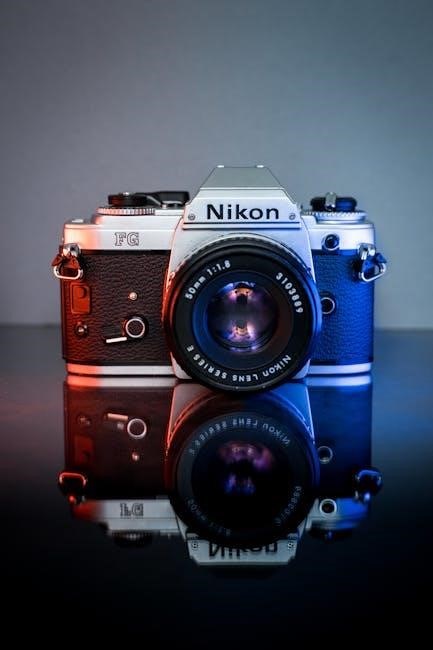
Nikon D3300 Camera Manual: A Comprehensive Guide
Welcome! This comprehensive guide unlocks your Nikon D3300’s potential‚ offering detailed instructions and support via PDF downloads․
Explore the manual‚ customization options‚ and troubleshooting tips for an enhanced photographic experience with your new camera․
Congratulations on selecting the Nikon D3300‚ a powerful yet accessible DSLR designed to elevate your photography! This camera serves as an excellent entry point into the world of interchangeable lens photography‚ offering a blend of performance and user-friendliness․
This guide‚ alongside the official Nikon D3300 Reference Manual (available as a PDF download)‚ will help you navigate its features․ You’ll discover how to maximize image quality and explore creative possibilities․ The manual provides detailed instructions‚ ensuring a smooth learning curve․
Whether you’re a complete beginner or have some photographic experience‚ the D3300’s intuitive controls and versatile shooting modes will empower you to capture stunning photos and videos․ Explore the Nikon Manual Viewer 2 app for mobile access to the PDF documentation․
Understanding the Camera’s Key Features
The Nikon D3300 boasts a 24․2-megapixel DX-format CMOS sensor‚ delivering exceptional image detail and clarity․ Its EXPEED 4 image processing engine enhances performance and reduces noise‚ particularly in low-light conditions․ A key feature is the 11-point autofocus system‚ ensuring sharp focus on your subjects․
The camera’s 3․0-inch LCD screen provides a clear view for composing shots and reviewing images․ Full HD 1080p video recording capabilities allow you to capture high-quality moving images․ Refer to the PDF manual for specifics on Speedlight usage․
Connectivity options include built-in Wi-Fi‚ enabling easy image transfer to smartphones and tablets․ The Nikon Manual Viewer 2 app facilitates convenient access to the camera’s documentation․ Explore these features detailed in the official instruction manual․
Getting Started with Your D3300
Begin your photographic journey! This section guides you through unboxing‚ battery insertion‚ memory card installation‚ and understanding essential camera controls․
Unboxing and Initial Setup
Congratulations on receiving your Nikon D3300! Carefully unpack the box‚ ensuring all components are present․ You should find the camera body‚ the 18-55mm kit lens‚ a battery‚ battery charger‚ a USB cable‚ and various documentation including the Reference Manual․ Before proceeding‚ inspect all items for any physical damage․
Initial setup involves more than just powering on․ Familiarize yourself with the camera’s exterior – locate the power switch‚ shutter button‚ mode dial‚ and control dials․ The Reference Manual (available as a PDF download) provides detailed diagrams․ Ensure the lens is securely attached to the camera body․
It’s recommended to download the Nikon Manual Viewer 2 app for mobile access to the PDF manual‚ aiding in quick reference during setup․ This initial exploration will lay the foundation for a smooth and enjoyable photographic experience․
Inserting the Battery and Memory Card
Powering up your Nikon D3300 begins with the battery․ Locate the battery compartment on the camera’s bottom; Gently slide the latch to open it‚ then insert the battery‚ ensuring the contacts align correctly․ Securely close the latch․ Next‚ find the memory card slot‚ typically alongside the battery compartment․
The D3300 supports SD memory cards․ Gently insert the card into the slot until it clicks into place․ Avoid forcing it․ The PDF version of the Reference Manual provides visual guidance․
Proper insertion is crucial for reliable operation․ Without a formatted memory card‚ the camera cannot save images․ Refer to the manual for formatting instructions․ The Nikon Manual Viewer 2 app offers convenient access to this information on your mobile device․
Basic Camera Controls and Buttons
Familiarizing yourself with the Nikon D3300’s controls is key․ The power switch is located around the shutter button․ The mode dial selects shooting modes – Auto‚ Scene‚ P‚ A‚ S‚ and M․ The shutter button captures the image․ The control dial adjusts settings like aperture and shutter speed‚ depending on the selected mode;
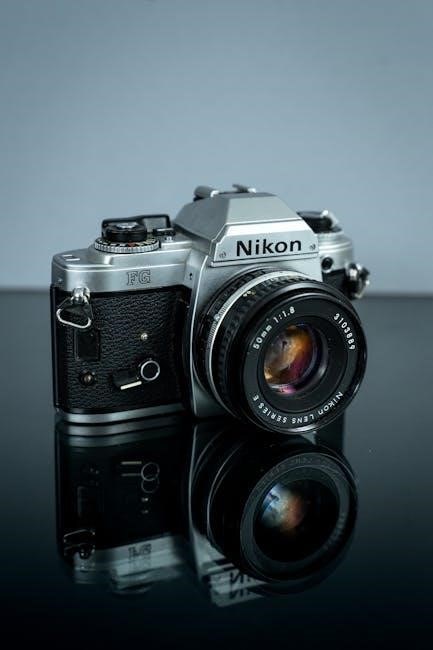
The directional pad navigates menus and selects autofocus points․ The ‘i’ button provides quick access to frequently used settings․ The menu button opens the full menu system․ The playback button reviews captured images․
Consult the PDF Reference Manual for detailed diagrams and explanations of each button’s function․ The Nikon Manual Viewer 2 app offers a mobile-friendly version of the manual for easy reference while shooting․
Shooting Modes Explained
Explore diverse shooting modes – from Auto for simplicity to Manual for full control – unlocking your Nikon D3300’s creative potential․
Auto Mode for Beginners
Auto mode on your Nikon D3300 is the simplest way to start taking pictures immediately․ The camera automatically selects the optimal settings for exposure‚ focus‚ and white balance‚ making it ideal for beginners or quick snapshots․
In this mode‚ you essentially point and shoot; the camera handles all the technical aspects․ While it offers convenience‚ remember that you have limited creative control․ The camera analyzes the scene and chooses settings it deems best‚ which may not always align with your artistic vision․
To activate Auto mode‚ simply turn the mode dial on the top of your camera to the green “AUTO” setting․ The camera’s information display will confirm that you are in Auto mode․ It’s a fantastic starting point to learn the basics before venturing into more advanced shooting modes․
Scene Modes: Portrait‚ Landscape‚ Sports‚ and More
Scene modes on the Nikon D3300 offer pre-configured settings optimized for specific shooting situations․ These modes simplify photography by automatically adjusting camera settings for common scenarios․ Popular options include Portrait‚ which blurs the background for flattering subject isolation‚ and Landscape‚ prioritizing sharpness and vibrant colors for expansive views․
Sports mode utilizes faster shutter speeds to freeze motion‚ while Night Portrait balances flash with a slower shutter speed for well-lit subjects against a dark background․ Other modes like Macro excel at close-up photography‚ and Movie is dedicated to video recording․
To select a scene mode‚ rotate the mode dial to the “SCN” setting and then use the rear control dial to choose the desired mode․ These modes provide a step up from full Auto‚ offering some creative control without requiring extensive technical knowledge․
Program Auto (P) Mode: Taking Control
Program Auto (P) mode on the Nikon D3300 represents a significant step towards manual control‚ while still offering a degree of automation․ In P mode‚ the camera automatically sets both aperture and shutter speed‚ but allows the photographer to override certain settings․ You can adjust ISO‚ white balance‚ and exposure compensation to fine-tune the image․
This mode is ideal for situations where you want creative control over image characteristics‚ but don’t want to manually set both aperture and shutter speed․ It’s a great learning tool for understanding the relationship between these two key settings․
Program Shift allows you to adjust both aperture and shutter speed simultaneously‚ maintaining the overall exposure while altering the creative effect․ Explore P mode to unlock greater photographic flexibility․
Aperture-Priority (A) Mode: Depth of Field Control
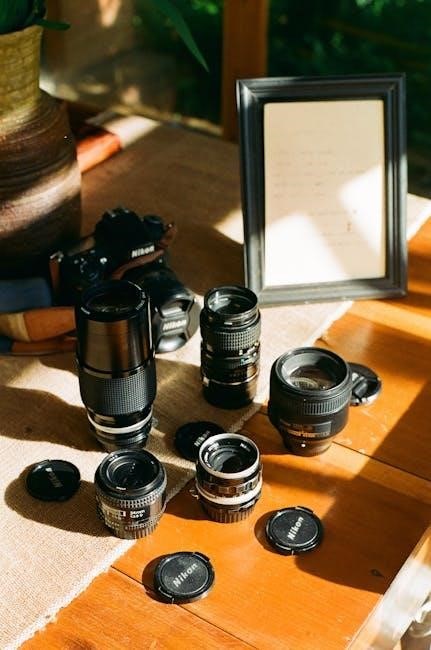
Aperture-Priority (A) mode on your Nikon D3300 empowers you to control the depth of field – the area of your image that appears sharp․ You select the aperture (f-stop)‚ and the camera automatically chooses the appropriate shutter speed for correct exposure․
A wider aperture (lower f-number‚ like f/2․8) creates a shallow depth of field‚ blurring the background and isolating your subject – perfect for portraits․ Conversely‚ a narrower aperture (higher f-number‚ like f/16) yields a greater depth of field‚ keeping more of the scene in focus‚ ideal for landscapes․
Experiment with different apertures to understand their impact on your images․ Remember to monitor the shutter speed to avoid motion blur‚ especially in low light․
Shutter-Priority (S) Mode: Capturing Motion
Shutter-Priority (S) mode on your Nikon D3300 grants you control over the shutter speed‚ dictating how long the camera’s sensor is exposed to light․ This is crucial for capturing motion effectively․
Fast shutter speeds (e․g․‚ 1/1000s) freeze action‚ perfect for sports or wildlife photography․ Slower shutter speeds (e․g․‚ 1/30s) blur motion‚ conveying a sense of movement – ideal for waterfalls or light trails․ The camera automatically adjusts the aperture to maintain proper exposure․
Be mindful of camera shake when using slow shutter speeds; a tripod is recommended․ Experiment with different shutter speeds to achieve the desired effect‚ and consult your manual for optimal settings․
Manual (M) Mode: Full Creative Control
Manual (M) mode on your Nikon D3300 unlocks complete creative control‚ allowing you to independently set both shutter speed and aperture․ This mode demands a solid understanding of exposure principles‚ but offers unparalleled artistic freedom․
You’ll need to balance these settings to achieve the desired brightness and depth of field․ Use the camera’s light meter as a guide‚ adjusting settings until the indicator reaches the center․ Refer to your manual for detailed explanations of each setting’s impact․
Mastering M mode takes practice‚ but it’s the key to realizing your photographic vision․ Experiment and explore – the possibilities are limitless!
Menu Navigation and Customization
Explore the D3300’s menu system to customize settings‚ tailoring the camera to your preferences and photographic style‚ as detailed in the manual․
Understanding the Menu System
Navigating the Nikon D3300’s menu is crucial for unlocking its full potential․ The menu is logically organized into several tabs‚ each represented by a color-coded icon․ These include the Setup menu for basic camera settings‚ Shooting menu for image quality and capture options‚ Custom Settings menu for personalized controls‚ and Playback menu for reviewing images․

Accessing the menu is simple – press the Menu button on the rear of the camera․ Use the multi-selector (directional pad) to highlight menu options and press the OK button to select․ To return to the previous menu level‚ press the Menu button again․ The Reference Manual‚ available as a PDF download‚ provides a detailed breakdown of each menu item and its function․ Understanding this system allows for precise control and customization of your camera’s operation․

Customizing Shooting Settings
Personalize your Nikon D3300 experience through extensive shooting settings customization․ Within the Custom Settings menu‚ you can tailor controls to your shooting style․ Adjust button assignments‚ enabling quick access to frequently used functions․ Modify the information display to show relevant data in the viewfinder or on the LCD screen․
Fine-tune autofocus behavior‚ metering settings‚ and image quality options to match your preferences; Save custom shooting presets for different scenarios‚ allowing for rapid recall of your preferred settings․ The Reference Manual‚ downloadable as a PDF‚ details each customization option․ Experimenting with these settings empowers you to optimize the camera for your unique photographic needs and achieve consistently excellent results․
Setting Up Playback Options
Customize how you review your photos with the Nikon D3300’s playback settings․ Access these options through the playback menu‚ allowing you to control the information displayed after taking a picture․ Choose to show or hide shooting data like aperture‚ shutter speed‚ and ISO․ Enable histogram display for precise exposure evaluation․
Adjust image playback zoom and rotation features for detailed inspection․ Set options for automatic image rotation based on camera orientation․ The downloadable PDF Reference Manual provides a comprehensive guide to all playback settings․ Explore features like D-Lighting and retouch menus for in-camera image adjustments․ Tailor the playback experience to efficiently review and manage your photographs․
Focusing and Exposure
Master autofocus modes and points‚ alongside exposure compensation and metering modes—evaluative‚ center-weighted‚ and spot—for optimal image control․
Autofocus Modes and Points
The Nikon D3300 offers a variety of autofocus (AF) modes to suit different shooting scenarios․ Single-servo AF (AF-S) is ideal for stationary subjects‚ focusing once when the shutter button is pressed halfway․ Continuous-servo AF (AF-C) tracks moving subjects‚ continuously adjusting focus as they move – perfect for sports or wildlife․ Auto-servo AF (AF-A) automatically switches between AF-S and AF-C‚ attempting to determine the best mode for the situation․
You can select from 11 focus points‚ allowing you to precisely target your desired area of sharpness․ These points can be selected automatically by the camera‚ or you can manually choose a single point for greater control․ Utilizing the focus point selection allows for precise composition and ensures your subject is sharply in focus․ Experiment with different AF modes and focus points to discover what works best for your photographic style and the specific demands of each shot․
Exposure Compensation
Exposure compensation allows you to override the camera’s automatically determined exposure‚ brightening or darkening the image as needed․ This is particularly useful in situations where the camera’s metering system might be fooled by bright or dark scenes‚ leading to under or overexposed photographs․ The Nikon D3300 offers a compensation range of -5 to +5 EV (exposure value) in 1/3 or 1/2 step increments․
To adjust exposure compensation‚ press the +/- button on the camera and use the main dial to select the desired value․ Positive values brighten the image‚ while negative values darken it․ Regularly checking your images on the LCD screen and utilizing exposure compensation will help you achieve consistently well-exposed photographs‚ even in challenging lighting conditions․ Mastering this feature is crucial for creative control․
Metering Modes: Evaluative‚ Center-Weighted‚ Spot
The Nikon D3300 offers three distinct metering modes to analyze light and determine the optimal exposure: Evaluative‚ Center-weighted‚ and Spot․ Evaluative metering (the default) analyzes the entire scene‚ prioritizing the area around the focus point․ Center-weighted metering gives greater weight to the center of the frame‚ ideal for portraits where the subject is centrally located․
Spot metering measures light from a very small area‚ approximately 5% of the frame‚ allowing precise exposure control for specific subjects․ To change modes‚ access the camera’s shooting menu․ Understanding each mode’s strengths is vital; use Evaluative for general scenes‚ Center-weighted for portraits‚ and Spot for challenging lighting or specific subject isolation․
Advanced Features and Techniques
Explore creative possibilities with flash control‚ white balance adjustments‚ and Picture Control settings for personalized image styles and enhanced photographic results․
Using Flash Effectively
The Nikon D3300’s built-in flash and compatibility with external Speedlights offer versatile lighting options․ Understanding flash modes – Auto‚ Manual‚ and TTL – is crucial for optimal results․ Auto flash lets the camera determine the appropriate flash intensity‚ ideal for quick snapshots․ For greater control‚ Manual mode allows you to set the flash power manually‚ useful in challenging lighting scenarios․
TTL (Through-The-Lens) flash metering automatically adjusts flash output based on the scene’s brightness‚ providing balanced exposure․ Refer to the Speedlight manual for detailed instructions when using external flashes․ Consider bounce flash techniques‚ redirecting the flash off ceilings or walls for softer‚ more natural-looking light․ Remember to adjust flash compensation to fine-tune the flash output and avoid over or underexposed images․ Experiment with different flash settings to achieve desired effects and enhance your photography․
Understanding White Balance
White balance (WB) ensures accurate color rendition in your photos‚ compensating for different lighting conditions․ The Nikon D3300 offers several WB presets‚ including Auto‚ Incandescent‚ Fluorescent‚ Direct Sunlight‚ Cloudy‚ and Shade․ Auto WB generally performs well‚ but specific presets are beneficial for challenging situations․ For example‚ use the Fluorescent preset under fluorescent lighting to neutralize the greenish tint․
Custom WB allows you to manually set the white balance by photographing a white or gray card under the current lighting․ This provides the most accurate color reproduction․ Understanding color temperature (measured in Kelvin) helps fine-tune WB settings․ Warmer tones (lower Kelvin) appear reddish‚ while cooler tones (higher Kelvin) appear bluish․ Experiment with WB settings to achieve the desired mood and color accuracy in your images․
Picture Control Settings
Picture Control settings on your Nikon D3300 allow you to customize the look of your images directly in-camera․ These presets influence sharpness‚ contrast‚ brightness‚ saturation‚ and hue․ Standard is a versatile all-purpose setting‚ while Vivid boosts color saturation for vibrant landscapes․ Neutral is ideal for post-processing‚ offering a flat profile․ Monochrome creates black and white images with adjustable filter effects and tonal contrast․
You can further refine each Picture Control by adjusting its individual parameters․ Create and save custom Picture Controls to suit your shooting style․ These settings are non-destructive‚ meaning the original image data remains untouched․ Experiment with different Picture Controls to discover the best look for various subjects and scenes‚ enhancing your creative control․
Troubleshooting and Support
Resolve common issues with solutions found in the manual or online․ Download the complete PDF guide and access Nikon’s support resources for warranty details․
Common Issues and Solutions
Encountering problems? Several common issues can arise with the Nikon D3300․ A frequent concern is blurry images‚ often stemming from incorrect focus settings or camera shake – utilize autofocus modes effectively and employ a tripod for stability․
Another issue involves memory card errors; ensure compatibility and proper insertion․ If the camera freezes‚ try removing the battery for a reset․ Flash-related problems can often be resolved by consulting the Speedlight manual for detailed instructions․
Low battery life is also reported; consider a spare battery for extended shooting․ If the display appears dim‚ adjust brightness settings within the menu․ For persistent issues‚ downloading the full PDF manual provides extensive troubleshooting guidance‚ and Nikon’s support resources offer further assistance․
Downloading the Full PDF Manual
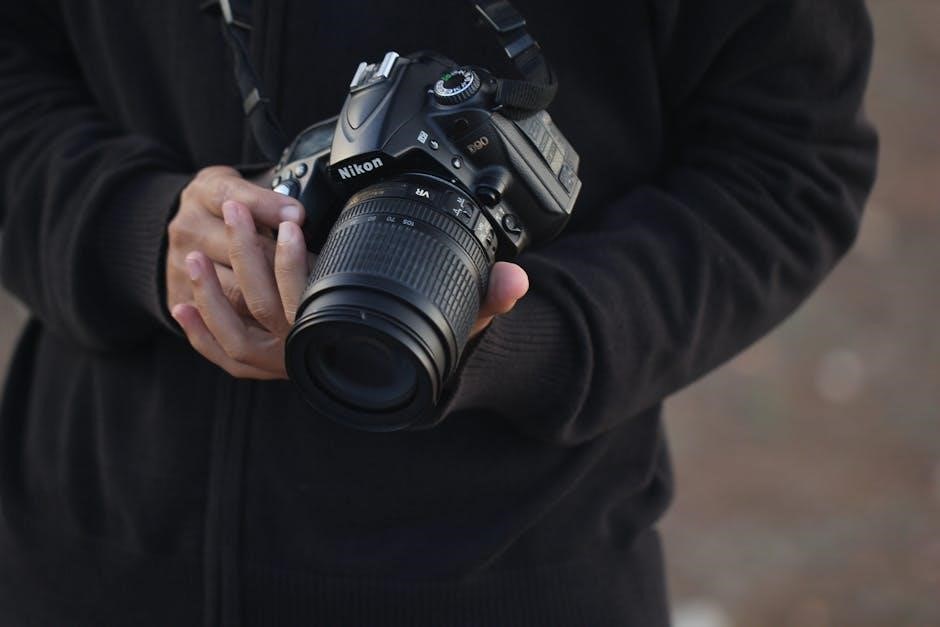
Accessing the complete Nikon D3300 Reference Manual is simple and provides in-depth information beyond this quick guide․ Several online resources offer free PDF downloads of the official manual․ Nikon encourages users to download a copy from their website for comprehensive instructions․
These PDF files are compatible with free software like Adobe Reader‚ allowing easy viewing on computers and mobile devices․ The manual covers every aspect of the camera‚ from basic operations to advanced features and troubleshooting․
Linked resources provide direct access to these official PDF manuals‚ ensuring you have the latest version․ Utilizing the Nikon Manual Viewer 2 app (available for iOS and Android) is another convenient option for accessing the manual on the go․
Nikon Support Resources and Warranty Information
Nikon provides extensive support for your D3300‚ ensuring a positive user experience․ Their official website is the primary hub for assistance‚ offering FAQs‚ troubleshooting guides‚ and downloadable resources like the camera manual․ Nikon Authorized Dealers also provide support and service․
For specific issues‚ explore the online knowledge base or contact Nikon’s customer support team directly via phone or email․ Warranty details are crucial; refer to your purchase documentation or the Nikon website to understand your coverage․
Policies and warranties are clearly outlined‚ protecting your investment․ Remember to register your D3300 to streamline any potential warranty claims and receive important product updates․