
Lumber Size Chart PDF: A Comprehensive Guide
Access a comprehensive guide detailing standard lumber sizes, including dimension lumber, softwoods, hardwoods, and panels․ Downloadable PDF charts offer imperial to metric conversions and board foot measurements for woodworking projects․
Understanding Nominal vs․ Actual Lumber Dimensions
Navigating lumber sizing requires understanding the difference between nominal and actual dimensions․ Nominal dimensions are the sizes lumber is traditionally called by – for example, a “two-by-four․” However, due to kiln drying and surfacing (planing), the actual dimensions are smaller․
This reduction in size is consistent across the industry․ A nominal two-by-four actually measures approximately 1․5 inches by 3․5 inches․ This difference stems from the milling process; lumber starts thicker and is then smoothed and dried, reducing its overall size․ Charts, often available as a lumber dimensions chart PDF, clearly illustrate these discrepancies․
Understanding this distinction is crucial for accurate project planning․ Relying on nominal sizes when building can lead to gaps and misalignments․ Always refer to actual dimensions when calculating material needs and making cuts․ Rough lumber, sold directly from mills, will reflect closer to nominal sizes before surfacing․ The PDF charts provide a quick reference for these conversions, ensuring precision in your woodworking and construction endeavors․
Standard Lumber Sizes for Dimension Lumber
Dimension lumber refers to standardized sizes commonly used in framing, construction, and general woodworking․ Typical sizes, detailed in a lumber dimensions chart PDF, include 1×4, 1×6, 2×4, 2×6, 2×8, 2×10, 2×12, and 4×4․ These designations represent nominal sizes, remember the actual dimensions will be smaller after processing․
The 2×4 is arguably the most frequently used size in construction, forming the backbone of wall framing․ Larger dimensions, like 2x8s and 2x10s, are employed for headers, joists, and beams requiring greater structural support․ A comprehensive chart will list both the nominal and actual measurements for each size, aiding in precise calculations․
Softwood species like Douglas Fir and Spruce are commonly used for dimension lumber․ KVH structural timber also falls into this category, offering specific dimensions for rafters․ Accessing a lumber size chart PDF ensures you select the appropriate lumber for your project, considering load-bearing requirements and building codes․ Always verify dimensions before cutting, as variations can occur․
Downloading a Lumber Dimensions Chart PDF
Accessing a lumber dimensions chart PDF is remarkably easy, with numerous online resources offering free downloads․ A quick internet search for “lumber dimensions chart PDF” yields a variety of options, catering to different needs – from basic dimension lumber guides to comprehensive charts covering softwoods, hardwoods, and panels like plywood and OSB․
Many lumber suppliers and woodworking websites host these charts, providing convenient access for their customers․ Look for charts that clearly display both nominal and actual lumber sizes, alongside imperial and metric conversions․ Some PDFs also include board foot measurement explanations, crucial for accurate material estimation․

Specific charts, like those for KVH structural timber or Douglas Fir, are often available directly from manufacturers’ websites․ Downloading and saving these charts to your device ensures you always have a reliable reference readily available, whether you’re planning a large construction project or a small woodworking endeavor․ Ensure the source is reputable for accurate information․
Softwood Lumber Size Charts
Softwood lumber size charts are essential for construction and woodworking projects utilizing woods like spruce, pine, and fir․ These charts detail both nominal and actual dimensions, crucial as the finished size differs from the stated size due to drying and planing․ Commonly available charts list sizes like 2×4, 2×6, and 4×4, specifying their actual width and thickness․
PDF resources often categorize softwood lumber by grading – such as construction grade or select structural – impacting its suitability for different applications․ KVH structural timber, a type of softwood, has dedicated charts outlining dimensions ranging from 30/90 to 120/200․
Douglas Fir lumber also benefits from specific dimension sheets, detailing sizes and properties․ When using softwood, remember that dimensions are typically given in inches and feet, and understanding the difference between rough lumber and surfaced lumber dimensions is vital․ Accurate charts ensure proper material calculation and project success, preventing costly errors․

Hardwood Lumber Size Charts
Hardwood lumber size charts are vital when working with dense woods like oak, maple, and cherry․ Unlike softwood, hardwood is often sold in thicknesses expressed as quarters (4/4, 8/4, etc․), representing actual dimensions in inches․ A 4/4 board, for example, is typically one inch thick․ PDF charts detail these nominal and actual sizes, accounting for variations due to kiln drying and surfacing․
These charts frequently list standard widths and lengths, crucial for projects like furniture making and cabinetry․ Hardwood dimensions are often specified for turning wood blocks, table tops, and tonewood, requiring precise measurements․ Understanding the difference between rough lumber and surfaced lumber is key, as dimensions change after planing․
Hardwood charts also indicate grading and quality, influencing the wood’s suitability for specific applications․ Resources like Max Cropp GmbH provide information on deciduous hardwood dimensions, including logwood and inner core measurements․ Accurate charts ensure efficient material usage and project accuracy․
Lumber Size Charts for Panels (Plywood, OSB)

Lumber size charts for panels, specifically plywood and OSB, differ significantly from dimensional lumber charts․ These charts detail standard panel thicknesses, typically ranging from 1/4 inch to 1 inch or more, and common sheet sizes like 4’ x 8’ or 4’ x 12’․ PDF resources provide precise measurements, accounting for slight variations in manufacturing․
Understanding panel sizing is crucial for projects like subflooring, sheathing, and furniture construction․ Charts often specify core material (e․g;, softwood, hardwood) and grade, impacting structural integrity and suitability․ Plywood and OSB dimensions are essential for calculating material quantities and minimizing waste․
These charts also detail panel layering and veneer thickness, influencing strength and flexibility․ When using panels for finished surfaces, consider the impact of sanding and finishing on final dimensions․ Accessing a comprehensive PDF guide ensures accurate project planning and efficient material procurement, streamlining construction processes․
Board Foot Measurement Explained
Board foot is a traditional unit for measuring lumber volume, particularly useful when dealing with rough or irregularly shaped wood․ One board foot equals a piece of lumber 1 inch thick, 12 inches wide, and 1 foot long․ Understanding this measurement is vital when interpreting lumber size charts and purchasing materials․
PDF guides often include calculations for determining board footage based on nominal and actual lumber dimensions․ It’s important to note that board feet are calculated before surfacing or planing, meaning the final dimensions of finished lumber will be smaller․ This distinction is crucial for accurate material estimation․
Calculating board footage involves multiplying the length, width, and thickness of a piece of lumber (in inches), then dividing by 144 (12 inches x 12 inches)․ Lumber size chart PDFs frequently provide examples and formulas to simplify this process․ Accurate board foot calculations prevent underestimation and ensure sufficient material for your project, saving time and money․
Imperial to Metric Conversion in Lumber Sizes
Lumber size chart PDFs often include conversion tables for those working with both imperial (inches, feet) and metric (millimeters, centimeters) systems․ This is particularly important for international projects or when sourcing lumber from different regions․
Accurate conversion is crucial because nominal lumber dimensions in imperial units don’t directly translate to the actual finished size․ For example, a “2×4” is not actually 2 inches by 4 inches․ PDF guides clarify these discrepancies and provide corresponding metric equivalents․
Common conversions include inches to millimeters (1 inch = 25․4 mm) and feet to meters (1 foot = 0․3048 m)․ Lumber size charts will typically list both nominal and actual dimensions in both systems․ Utilizing these charts ensures precise measurements and avoids errors during construction or woodworking․ Understanding these conversions streamlines projects and promotes compatibility with globally sourced materials․
KVH Structural Timber Dimensions (PDF Download)
KVH, or Konstruktionsvollholz, is a type of structural timber commonly used in European construction․ Lumber size chart PDFs dedicated to KVH provide detailed dimensions for rafters and other structural components․
These charts, often available as a PDF download (like the “en_kvh_spruce․pdf” mentioned), specify dimensions ranging from 30/90 to 120/200, indicating width and height in millimeters․ KVH is known for its strength and dimensional stability, making it suitable for load-bearing applications․
PDF resources outline specifications for KVH spruce, detailing its properties and appropriate uses․ Accessing these charts is vital for engineers, builders, and anyone working with KVH timber․ They ensure compliance with building codes and guarantee the structural integrity of projects․ The downloadable PDF format allows for easy access and portability on job sites, facilitating accurate material selection and implementation․

Douglas Fir Lumber Dimensions (PDF Information Sheet)
Douglas Fir is a highly valued softwood known for its strength and versatility in construction and woodworking․ Lumber size chart PDFs specifically addressing Douglas Fir provide crucial dimensional information for various applications․
These PDF information sheets detail the available sizes, often expressed in nominal and actual dimensions․ They cover lumber for framing, decking, and finishing purposes․ Douglas Fir is frequently sold in quarters of an inch (4/4, 4/8, etc․), representing the thickness after surfacing․
Accessing these PDF resources ensures accurate material selection and minimizes waste․ Information sheets often highlight the wood’s suitability for specific projects, like turning wood blocks or crafting table tops․ European Douglas Fir product information, available as PDFs (around 84 KB), details square edges and clean surfaces, emphasizing the quality of the material․ These charts are invaluable for professionals and hobbyists alike, ensuring projects are built with reliable and appropriately sized lumber․
Lumber Dimensions for Woodworking Projects
Woodworking projects demand precision, making accurate lumber dimensions critical․ Lumber size chart PDFs are essential tools for woodworkers, offering detailed guides to nominal and actual sizes of various wood types․
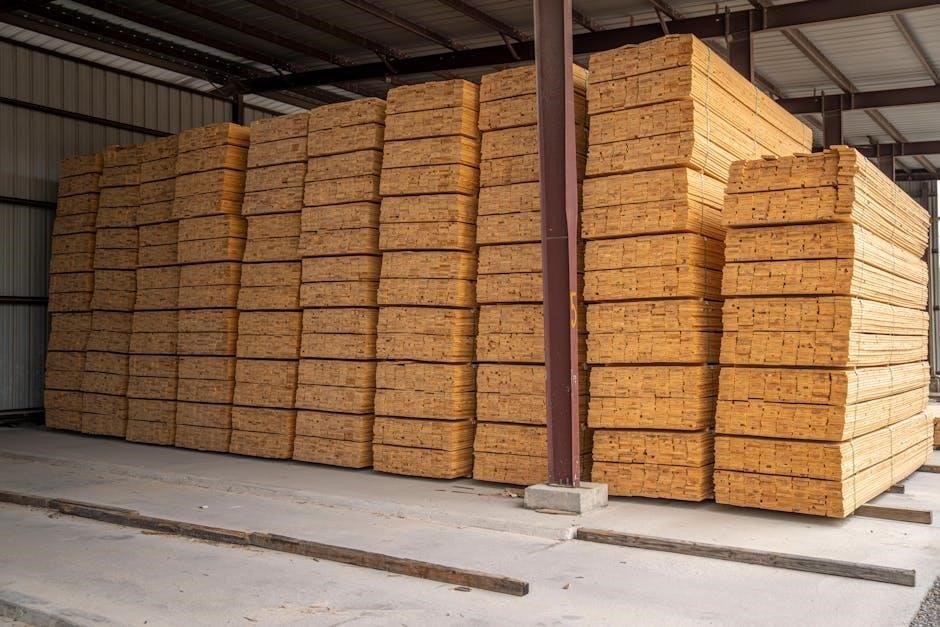
These charts typically list dimensions for softwoods and hardwoods, crucial for selecting the right material for turning wood blocks, crafting table tops, or creating intricate designs․ Understanding the difference between nominal (e․g․, 2×4) and actual dimensions (e․g․, 1․5” x 3․5”) is vital to avoid errors․
PDF resources provide instant access to standard measurements, streamlining the material selection process․ Charts often categorize lumber by thickness (4/4, 4/8, etc․), representing quarter-inch increments․ Downloadable guides simplify planning and ensure projects align with desired specifications․ Whether working with rough or surfaced lumber, these charts guarantee accurate cuts and a professional finish, ultimately enhancing the quality and success of any woodworking endeavor․
Finished Slab Dimensions & Overhang Considerations

Finished slab dimensions are crucial for countertops and large surfaces, requiring careful planning beyond standard lumber size charts․ These charts often note that finished dimensions account for lumber removed during processing․ A typical consideration is a 9/16 inch (1․4 cm) overhang extending beyond the floor frame on all sides․
This overhang isn’t merely aesthetic; it provides a clean look and allows for slight imperfections in framing․ PDF guides detailing slab construction emphasize the importance of precise measurements to accommodate this extension․ Understanding the initial lumber dimensions, and how they translate to the final slab size, is vital․
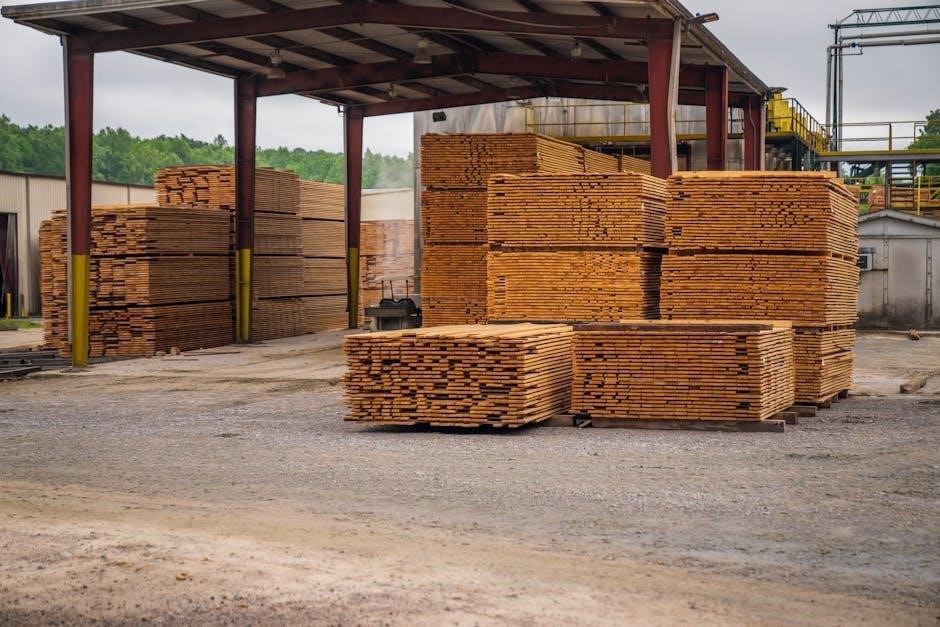
Square edges and clean surfaces are paramount for a professional finish․ When selecting lumber, consider the desired overhang and adjust initial dimensions accordingly․ These PDF resources often include diagrams illustrating proper overhangs and ensuring a seamless integration with surrounding cabinetry or flooring, resulting in a durable and visually appealing finished product․
Understanding Lumber Grading & Quality
Lumber grading significantly impacts project suitability, and while lumber size charts PDF focus on dimensions, understanding quality is equally vital․ Grading assesses defects like knots, warping, and decay, influencing structural integrity and appearance․ Different grades – such as Select, Common, or Utility – dictate permissible flaws․
Higher grades, like Select, offer fewer imperfections and are ideal for visible applications like furniture or trim․ Lower grades, like Utility, are suitable for structural components where appearance is less critical․ PDF resources often correlate grade with intended use, helping you choose appropriately․
The PDF charts themselves don’t detail grading, but knowing the grade allows for informed dimension selection․ For example, a lower grade might require slightly oversized lumber to ensure sufficient usable material after removing defective sections․ Quality impacts the actual usable dimensions derived from nominal sizes․ Always consider grading alongside size when planning your project, ensuring both structural soundness and aesthetic appeal․
Rough Lumber vs․ Surfaced Lumber Dimensions
Lumber size chart PDF resources typically present dimensions for surfaced lumber – wood that has been planed smooth․ However, it’s crucial to understand the difference between surfaced and rough lumber dimensions․ Rough lumber, directly from the mill, is thicker and wider than its surfaced counterpart․
The PDF charts often list nominal sizes, which represent the dimensions before surfacing․ The actual dimensions of surfaced lumber are smaller due to material removed during the planing process․ For instance, a nominal 2×4 will actually measure closer to 1․5 x 3․5 inches when surfaced․

Board foot measurements are often taken before surfacing, adding to the potential confusion․ When using a lumber dimensions chart PDF, verify whether the listed sizes refer to rough or surfaced lumber․ If working with rough lumber, account for shrinkage and material loss during surfacing to ensure accurate project planning․ Understanding this distinction is vital for precise cuts and avoiding material shortages․
Cross-Laminated Timber (CLT) Construction Dimensions
Cross-laminated timber (CLT) represents a modern building material, and lumber size chart PDF resources are beginning to incorporate its dimensional specifications․ Unlike traditional dimension lumber, CLT consists of multiple layers of wood bonded together, offering exceptional strength and stability․
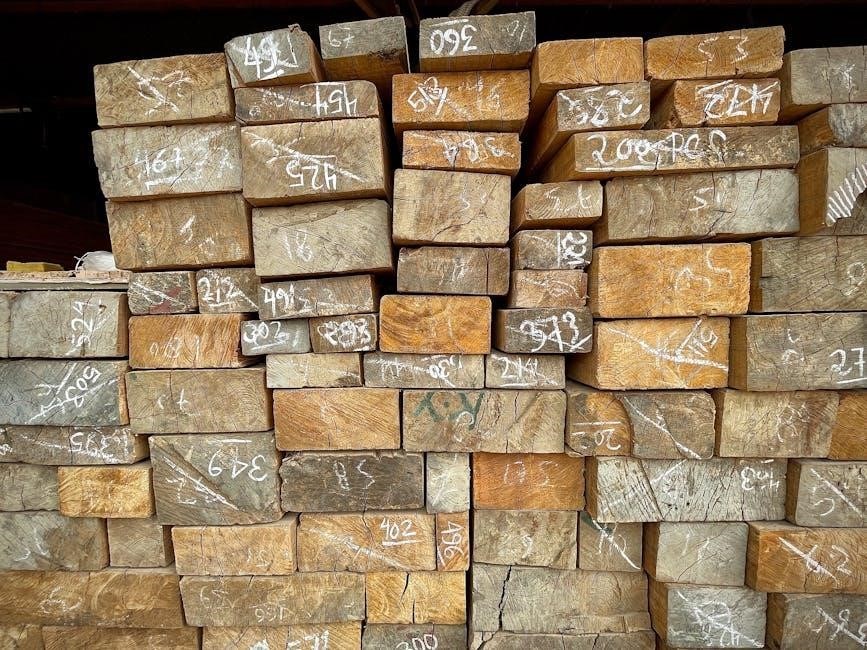
CLT panels are manufactured in large, custom sizes, varying in thickness from around 3 to 12 inches or more․ Panel widths and lengths can extend up to 49 feet, though standard sizes are more common․ These dimensions are crucial for architectural planning and structural engineering calculations․
While a standard wood size chart PDF won’t detail every possible CLT configuration, specialized PDF documents from manufacturers provide detailed specifications․ These include layer thicknesses, wood species used, and load-bearing capacities․ Understanding CLT dimensions is essential for efficient prefabrication and on-site assembly, contributing to faster construction timelines and reduced waste․ The growing popularity of CLT is driving demand for more comprehensive dimensional data․
Resources for Further Lumber Information (PDFs & Websites)
Expanding your knowledge beyond a basic lumber size chart PDF requires exploring dedicated resources․ Numerous websites and downloadable PDF documents offer in-depth information on lumber grading, species characteristics, and regional variations․
Manufacturer websites, like Max Cropp GmbH & Co KG, frequently provide detailed PDF product information sheets, including dimensions for specific timber types, such as European Douglas Fir․ KVH structural timber specifications are often available as PDF downloads from suppliers like NSi, detailing dimensions and load-bearing capabilities․
Websites dedicated to woodworking and construction often host comprehensive guides and charts․ Sawdustmaking․com is an example of a resource detailing lumber dimensions, particularly for rough and surfaced lumber․ Additionally, exploring building technology resources can provide insights into construction timber dimensions․ Remember to always verify information with current industry standards and consult with qualified professionals for critical applications․